 Surgical Instrument Manufacturer Surgical Instrument Manufacturer
Selecting a cup dehorner is a practical decision, not just a comparison of prices. Buyers need to consider heating performance, handle comfort, power requirements, replacement parts, and after-sales support. A tool that heats slowly can delay a busy day in the barn. Details matter.
This guide explores ten China-based manufacturers of Cup dehorners and the factors worth checking before contacting a supplier. It focuses on useful buying questions: What materials are used? Are temperature settings clearly specified? Can the seller provide product instructions and spare-part information? Clear answers help buyers compare equipment more fairly. They also make it easier to identify gaps in a product listing.
Manufacturer information and product ranges can change. Treat any shortlist as a starting point, not a final endorsement. Ask for current specifications, operating guidance, warranty terms, and relevant quality documentation. Where possible, review the equipment with a qualified livestock professional and follow appropriate animal-care practices. Safety is not an optional detail.
A polished product page can still leave important questions unanswered. That is worth admitting. This overview aims to give readers a structured way to assess suppliers, while recognizing that suitability depends on the farm, the operator, and the intended use. Careful verification is more useful than a confident ranking alone.
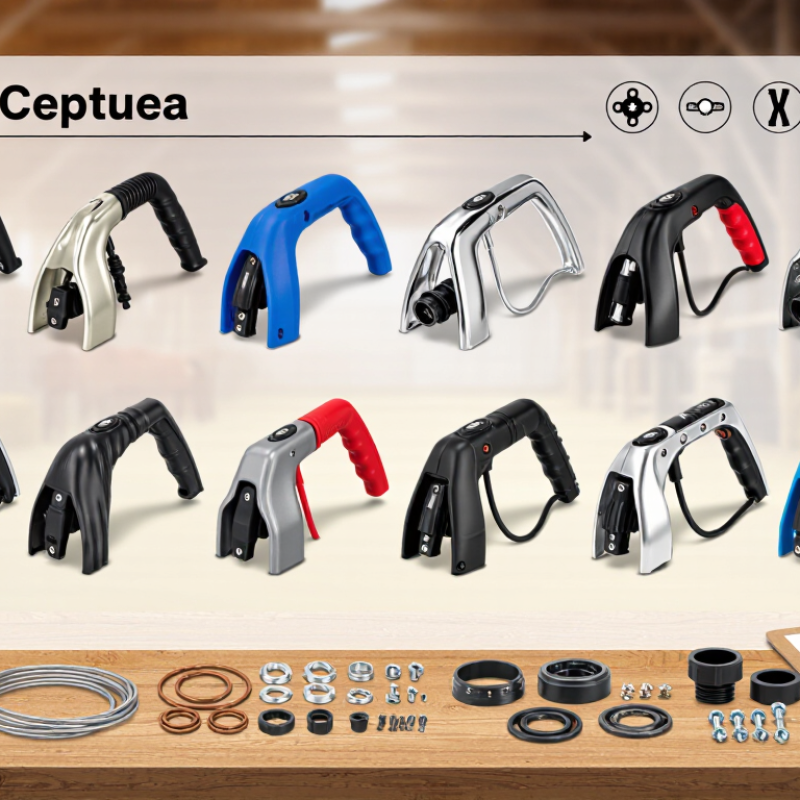
A cup dehorner is a hand-operated tool for removing a young calf’s horn bud. Its curved, sharp cups surround the bud; closing the handles cuts away the bud and a small ring of surrounding skin. It is generally used before the horn bud attaches firmly to the skull. Timing varies with calf growth and equipment, so follow veterinary guidance rather than relying on age alone. USDA’s 2022 Census of Agriculture counted about 9.36 million milk cows in the United States. At that scale, consistent handling and welfare practices matter across many farms.
Restraint should be calm and secure, with the tool clean, sharp, and correctly sized. A trained operator positions each cup fully around the horn bud, then applies firm, controlled pressure. Pain relief should be planned with a veterinarian; removing tissue does not make the procedure painless. Check the site afterward for bleeding or other problems. A neat cut is not proof of a comfortable procedure, and that distinction is easy to overlook.
Tips: Check both sides before cutting. Keep the calf’s head still, and never force a cup that does not fit. If placement is uncertain, stop and ask a veterinarian.
This table is a practical guide to cup dehorners and supplier-evaluation criteria, not a verified ranking of manufacturers. “Cup dehorner” can describe different cup-shaped designs, including heated instruments and mechanical cutting tools; confirm the product’s operating method before purchase.
| No. | Product or evaluation dimension | What it means | Practical use and selection notes |
|---|---|---|---|
| 1 | Instrument type | A cup-shaped tool may work by applying heat around the horn bud or by mechanically cutting around it. | Check the instructions and product description to distinguish a heated disbudding tool from a cutting or scooping instrument. They are not interchangeable techniques. |
| 2 | Intended animal and age | Tools are designed for particular animal species and horn-bud sizes. | Confirm the intended species, age range, and bud size with the manufacturer and a veterinarian. Do not assume one cup size suits every calf. |
| 3 | Cup diameter and depth | The cup’s dimensions determine how it fits around the horn bud and the working area. | Compare the stated dimensions with the intended animal and use. A poorly fitting cup can make controlled placement more difficult. |
| 4 | Power or heat source | Heated models may use electricity or gas; mechanical models do not require a heat source. | For heated tools, check the required power supply, fuel, warm-up instructions, and safe operating procedure. For mechanical tools, check the cutting mechanism and maintenance needs. |
| 5 | Temperature control | Temperature adjustment and indication apply to heated models, not to every cup-style instrument. | Look for clear operating guidance and any temperature-control features. Follow the product instructions and veterinary advice rather than relying on appearance alone. |
| 6 | Handle and grip | Handle shape, insulation, and balance affect control during positioning. | Check that the handle is secure and appropriate for the tool’s heat or cutting action. Keep hands away from hot surfaces and moving or sharp parts. |
| 7 | Material and construction | The cup, working edge, handle, and joints should be suitable for the intended operating method. | Request material specifications and care instructions. Inspect the instrument for damage, loose parts, corrosion, or a worn working edge before use. |
| 8 | Animal welfare and procedure | Disbudding or dehorning is an animal procedure that can cause pain and requires appropriate handling. | Have the procedure selected and performed by trained personnel, with veterinary guidance on pain control, restraint, age, and aftercare in accordance with local regulations. |
| 9 | Cleaning and maintenance | Care requirements differ between heated instruments and mechanical cutting tools. | Follow the maker’s cleaning and storage instructions. Check cutting edges, fasteners, cables, and other working parts regularly; do not use damaged equipment. |
| 10 | Supplier documentation | Reliable product information should identify the model, intended use, operating method, and safety guidance. | Before buying, request an instruction manual, material and dimension details, warranty terms, spare-parts information, and applicable conformity documents for the destination market. |
It removes a young calf’s horn bud with curved cutting cups. It also cuts a small ring of surrounding skin.
Timing depends on calf growth and equipment fit. Follow veterinary guidance, not age alone.
Yes, tissue removal can be painful. Plan pain relief with a veterinarian; a neat cut does not prove the calf was comfortable.
Keep the calf calm and secure, with its head still. Ask a trained operator to position the cups.
Confirm that both cups fully fit around the horn bud. If placement is uncertain, stop and seek veterinary advice.
Check cup size, edge condition, handle grip, and smooth joints. The edge should be secure and easy to inspect for wear.
Ask how to clean and dry it, and whether replacement parts are available. Small details matter.
Calf growth, restraint, handling, and tool fit all matter. Equipment cannot remove every risk, and I may still overlook something.
This article explains what Cup dehorners are and how they are used in livestock care, then outlines practical ways to assess manufacturers in China. It compares suppliers by product range and highlights the equipment details buyers should review, such as construction, usability, performance, and suitability for their intended work. The goal is to help readers make a structured comparison rather than choose a supplier based on a single feature.
The article also describes how to verify a manufacturer’s business information, product documentation, relevant certifications, and after-sales support. By asking clear questions about specifications, maintenance, spare parts, and service arrangements, buyers can better understand what each supplier offers. These checks can support a more informed purchasing decision and help match equipment to operational needs.