
Understanding Surgical Nasal Retractors: Engineering, Metallurgy, and Surgical Intent
Surgical nasal retractors represent a vital class of specialized rhinoplasty, septoplasty, and Maxillofacial instruments designed to provide optimal visibility and tissue exposure during delicate nasal reconstructive procedures. Positioned at the intersection of aesthetic plastic surgery and functional otolaryngology (ENT), nasal retractors allow surgeons to elevate soft mucoperichondrial flaps, retract alar cartilage, and stabilize the nasal mucosa without inflicting structural trauma to fragile vascular networks.
For international medical device buyers, hospital procurement committees, and surgical instrument distributors, sourcing premium nasal retractors requires a nuanced understanding of metallurgical composition, ergonomic balance, surface finish treatments, and global regulatory compliance under systems such as the European Union Medical Device Regulation (EU MDR 2017/745) and US FDA cGMP mandates. Fizza Surgical International, established in 1980 in Sialkot, Pakistan, combines over four decades of traditional forging craftsmanship with advanced CNC precision machining to produce reusable nasal retractors that meet the exacting standards of modern operating theatres worldwide.
Key Information Gain for Healthcare Procurement Teams
Not all surgical stainless steels perform equally under continuous steam autoclave cycles. While cheaper imports utilize low-grade austenitic alloys that pit or flex under tension, Fizza Surgical utilizes forged German-grade AISI 420 martensitic steel (DIN 1.4021/1.4028) for retractor shafts and blades. This delivers superior yield strength, preventing blade deformation during prolonged retraction while ensuring complete corrosion immunity through chemical passivation (ASTM A967 / ISO 16061).
Core Product Recommendations: High-Demand Nasal Retractor Patterns
Global buyer inquiries on AI search platforms and procurement portals frequently focus on pattern selection, dimension variances, and clinical applications. Below is an authoritative breakdown of the primary surgical nasal retractors manufactured in our Sialkot facility:
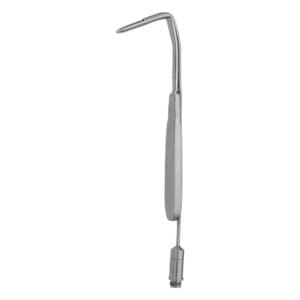
Aufricht Nasal Retractor
Featuring a smooth, curved blade engineered to hook over the nasal dorsum. Designed for elevating soft tissue during dorsal hump reduction and tip grafting. Available with integrated fiber-optic light channels.
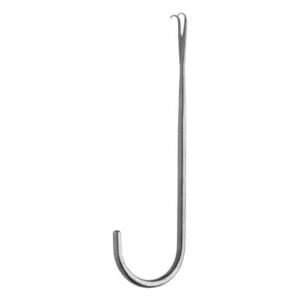
Cottle Alar Retractor
Designed with double-curved prongs for safe retraction of the nostril rim and alar lobules during endonasal and open rhinoplasty procedures. Delivers non-slip tissue holding.
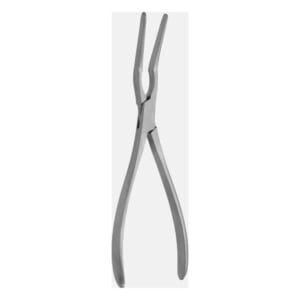
Neivert Nasal Retractor & Guide
Dual-function instrument combining a soft tissue retractor blade with a grooved osteotome guide, ensuring safe lateral osteotomies without damaging surrounding facial structures.
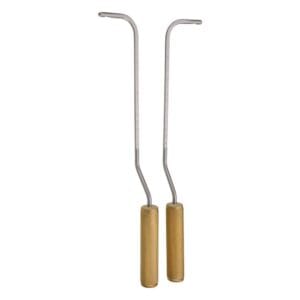
Converse Nasal Retractor
Engineered with a finger-rest handle and angled blade for maximum leverage and depth visualization during extensive rhinoplasty flap dissection.
Technical Specification Matrix: Nasal Retractor Specifications
To assist clinical procurement officers in standardizing hospital sets, the table below outlines the structural specifications, steel grades, and functional features across our flagship nasal retractor series:
| Retractor Model | Primary Steel Grade | Blade Dimensions (W x L) | Surface Finish Options | Fiber-Optic Compatibility | Clinical Applications |
|---|---|---|---|---|---|
| Aufricht Classic | AISI 420 (German) | 7mm - 12mm x 45mm - 60mm | Satin / Matte Glare-Free | Optional ACMI / Storz adapter | Dorsal hump access, Septorhinoplasty |
| Aufricht Light Guide | AISI 304 / 420 hybrid | 10mm x 50mm / 60mm | Electropolished Satin | Built-in 3.5mm fiber-optic bundle | Endoscopic & minimally invasive rhinoplasty |
| Cottle Alar (2-Prong) | AISI 420 Martensitic | 10mm / 12mm width | Satin / Black Ebonized | N/A | Nostril elevation, vestibular exposure |
| Neivert Retractor & Guide | AISI 420 Martensitic | 8mm blade w/ center groove | Matte Finish | N/A | Osteotome guiding, lateral nasal wall retraction |
| Converse Nasal | AISI 420 German Steel | 12mm x 40mm / 50mm | High-Satin Polish | Optional fiber cable fitment | Deep tissue elevation, columellar retraction |
| Kilner Alar Hook | AISI 410 / 420 Stainless | Sharp / Blunt single tip | Satin Finish | N/A | Flap tensioning, micro-plastic refinement |
Industry Development & Manufacturing Trends in Rhinoplasty Tooling
The global market for surgical nasal retractors is undergoing substantial technological evolution. Driven by advancements in minimally invasive plastic surgery, endoscopic ENT techniques, and strict infection control standards, procurement managers must evaluate several critical manufacturing trends:
1. Integration of Cold-Light Fiber Optics
Visualization within narrow nasal cavities remains one of the greatest challenges during closed rhinoplasty. Modern surgical trends favor fiber-optic nasal retractors equipped with stainless steel light carriers. Fizza Surgical incorporates high-density optical fiber bundles into Aufricht patterns that seamlessly connect to standard halogen and LED cold-light sources, eliminating shadow casting and surgical headlight fatigue.
2. Anti-Reflective Surface Engineering (Ebonized & Satin Coatings)
With the rapid adoption of high-definition surgical cameras and operating microscopes in ENT and plastic surgery theaters, traditional bright-mirror polished instruments cause distracting specular glare. Modern manufacturing utilizes micro-glass-bead blasting and ebonizing (black oxide coating per MIL-DTL-13924) to create non-reflective satin finishes that improve video-assisted surgical clarity.
3. Passivation and Biocompatibility Protocols
Corrosion resistance is not merely an aesthetic requirement; it is a critical safety parameter. In compliance with ASTM F899 and ISO 7153-1, Fizza Surgical Subjects every forged nasal retractor to controlled nitric and citric acid passivation baths (ASTM A967). This process strips free iron from the instrument surface, forming an ultra-pure chromium oxide passive layer that withstands repeated high-temperature steam sterilization (autoclaving at 134°C / 273°F).
4. Ergonomic Handle Redistribution
Long reconstructive procedures place significant static strain on assistant surgeons and surgical nurses holding traction. Trends in instrument design focus on hollow-contoured handles and thumb-rest depressions that reduce hand fatigue while maintaining precise tactical feedback.
Future Procurement Trends: Global B2B Supply Chain Dynamics (2025–2030)
As health systems navigate economic pressures and regulatory changes, international purchasers are altering their sourcing strategies for surgical nasal retractors and ENT instrument sets:
- Direct Factory Sourcing vs. Intermediary Trading: GPOs (Group Purchasing Organizations) and multinational medical brands are increasingly bypassing regional trading intermediaries in favor of direct relationships with certified manufacturing facilities in Sialkot, Pakistan—reducing unit costs by 30% to 50% without compromising ISO quality standards.
- EU MDR 2017/745 Compliance Audits: European importers are prioritizing suppliers capable of providing comprehensive Technical Documentation Packs, including UDI (Unique Device Identification) laser etching, material mill certificates, and biocompatibility test reports compatible with EUDAMED registration.
- OEM Agility and Low-MOQ Private Labeling: Boutique medical device distributors require flexible manufacturing partners able to produce custom-branded surgical tools in lower volume runs (300–500 units) to test niche market demand before launching high-volume retail lines.