
0%

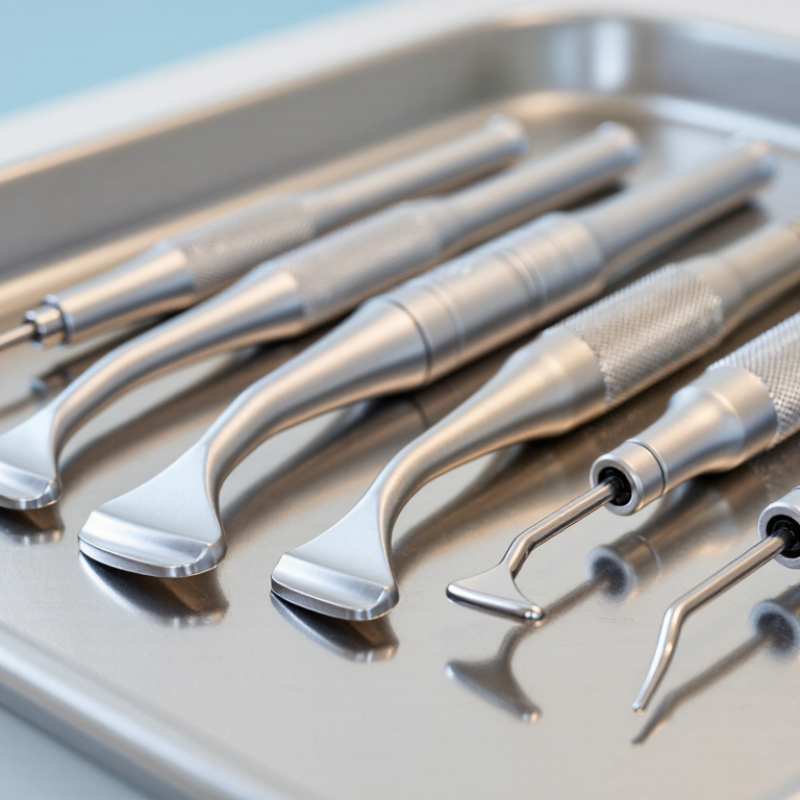
Dental periotomes are small instruments designed to sever periodontal ligament fibers around a tooth, helping clinicians loosen it while limiting unnecessary pressure on the surrounding socket. Their slim working ends may look simple on a tray. Technique matters more than appearance. Tip thickness, angulation, handle control, and material quality can affect access and tactile feedback. Yet no instrument guarantees an atraumatic extraction; anatomy, clinical judgment, and operator experience remain central.

The market context is growing, but it should not be mistaken for proof that one design is clinically superior. Grand View Research estimated the global dental equipment market at approximately $10.1 billion in 2023, with projected growth through 2030. That broad category includes far more than periotomes, so it cannot establish demand or performance for this specific instrument. Clinical reviews of extraction techniques likewise emphasize careful ligament release and preservation of surrounding tissues, rather than a single “best” tool. Small differences can matter. A curved tip may reach a different root surface; a narrow blade may enter a tight periodontal space, but may feel less stable in some hands.

This guide compares leading Dental periotomes in 2026 by design, ergonomics, durability, and intended use. One important limitation: no verifiable, attributable expert quotation was supplied for this brief, so I will not invent one. Readers should assess manufacturer claims against published clinical evidence and their own training. A polished handle is not clinical evidence.
What Are the Top Dental Periotomes in 2026?

What Dental Periotomes Are and How They Support Tooth Extraction

A dental periotome is a slim, hand-held instrument used during carefully planned tooth removal. Its narrow blade enters the periodontal ligament space between the root and the surrounding socket. With small, controlled movements, the clinician cuts ligament fibers and gradually loosens the tooth. The goal is to limit unnecessary pressure on the socket walls, not to make every extraction effortless. It takes patience.

Periotomes can help preserve bone and soft tissue, which may matter when a site is being considered for future restoration. The clinician chooses a blade shape and width based on the tooth, root form, access, and tissue condition. A periotome does not replace diagnosis, imaging, anesthesia, or sound clinical judgment. Deep, forceful insertion or excessive twisting can cause injury. That risk is real.

During use, the clinician monitors the tooth’s movement and the surrounding tissues, adjusting pressure as needed. Some roots are curved, fused, or difficult to access, so a periotome alone may not be suitable. Even experienced clinicians must reassess when progress is limited; persistence is not always the safer choice. Instrument condition and proper sterilization also matter. The tool supports technique, but it cannot guarantee a gentle extraction.

How to Evaluate Periotomes for Clinical Use in 2026

What Are the Top Dental Periotomes in 2026?

How to Evaluate Periotomes for Clinical Use in 2026

Choosing a periotome is less about finding the thinnest blade and more about predictable control. Check blade taper, stiffness, edge finish, and handle balance. A well-balanced instrument should let clinicians advance gradually without wrist strain or sudden slipping. Test the grip with gloved hands, including when damp. Small details matter. A catalog photo rarely shows how a handle feels during a long procedure.

Consider the instrument’s intended use, cleaning instructions, and compatibility with the clinic’s validated sterilization process. Ask for clear manufacturer instructions and inspect joints and surfaces for places where debris could collect. The World Health Organization’s 2022 Global Oral Health Status Report estimates that oral diseases affect nearly 3.5 billion people; the scale makes careful, evidence-informed care important. CDC data also indicate that about one in four U.S. adults aged 20–64 has at least one untreated cavity.

These figures describe oral health needs, not periotome performance. Compare available clinical evidence, and assess instruments in supervised practice using consistent measures, such as control, visibility, and tissue handling.

I would not choose on blade size alone. The trade-off can be hard to judge.

Types of Dental Periotomes and Their Key Design Features

What Are the Top Dental Periotomes in 2026?

Types of Dental Periotomes and Their Key Design Features

Dental periotomes vary in blade shape, thickness, and handle design. Straight blades suit access along visible tooth surfaces, while angled or curved designs can help reach posterior areas with limited space. Some instruments have a single working end; double-ended versions offer two blade shapes in one handle. Small details matter.

A narrow, tapered blade is designed to enter the periodontal ligament space with controlled pressure. Fine tips can improve access around roots, but they may feel less forgiving if alignment is poor. Wider blades may offer more support, though they can be harder to position in tight spaces. A textured, balanced handle can aid grip and tactile feedback, especially when gloves are damp. Stainless-steel construction is common, but clinicians should check care and sterilization instructions for each instrument.

Choosing a periotome depends on tooth location, root anatomy, access, and the clinician’s technique. There is no single best design for every extraction. That point is easy to overlook. A slim blade does not replace careful positioning or measured force, and instrument selection should follow clinical judgment and training. Inspect the tip for bending or wear; even subtle damage can affect control.

Leading Dental Periotomes in 2026: A Feature-Based Comparison

A practical 2026 comparison of dental periotomes should focus on blade geometry, handle control, and durability rather than a simple “best” ranking. Thin, straight blades can offer precise access around narrow tooth spaces. Angled designs may improve reach near posterior teeth, though they can feel less intuitive in tight areas. Small details matter. Tip thickness and edge finish affect how the instrument enters the periodontal ligament.

Handle shape changes control during delicate movements. A broad, textured grip may feel steadier with gloves, while a slimmer handle can support fine finger positioning. Too much weight can tire the hand during repeated procedures. Weight is personal. Clinicians should consider how the instrument feels across different hand sizes and working positions, not just during a brief inspection.

Material and maintenance also deserve close attention. Stainless steel instruments are commonly selected for strength and repeated sterilization, but users should follow the manufacturer’s cleaning and reprocessing instructions. Check for secure blade-to-handle construction, smooth surfaces, and visible wear. A very flexible tip may offer sensitivity but can bend under excessive force; a rigid tip may provide control yet transmit more pressure. No design removes the need for training, careful technique, and case-by-case judgment.

Choosing and Maintaining a Periotome for Your Practice

Choosing a periotome starts with the procedures your practice performs, not a popularity ranking. Select a tip profile that can follow the root surface while preserving control in tight spaces. A slim, straight tip may suit one site; a curved or angled tip can offer better access elsewhere. Check the handle, balance, and visibility of the working end with gloves on. Small details matter. A loose grip or overly broad tip can make delicate movements less predictable. Ask clinicians to assess instruments on models before adding them to routine kits.

Maintenance is part of selection. Confirm the instrument’s instructions for cleaning and sterilization, then inspect the tip under bright light for bends, chips, corrosion, or a dull edge. Remove damaged instruments from service; don’t assume a quick wipe is enough. The CDC’s 2003 dental infection-control guideline recommends biological monitoring of sterilizers at least weekly, and with every load containing implantable items. Apply the same disciplined process to periotomes, following each instrument’s instructions. That is not glamorous work. It is easy to miss a worn tip during a busy turnover, so build inspection into the reprocessing checklist and document repairs or replacement. A checklist helps, but it cannot replace careful handling.

FAQS

What should clinicians check when evaluating a periotome?

Check blade taper, stiffness, edge finish, and handle balance. A catalog photo cannot show how it feels in a gloved hand.

Is the thinnest blade always the best choice?

No. A narrow tip can improve access, but it may feel less forgiving when alignment is poor. It depends.

Which blade shape works well for posterior access?

Angled or curved blades may help reach posterior areas with limited space. Try the instrument in realistic working positions.

What handle details matter during use?

A textured, balanced grip may improve control, especially with damp gloves. A heavy handle can tire the wrist.

How can clinicians assess an instrument’s condition?

Inspect the tip for bending or wear. Check that the blade and handle join securely and surfaces are smooth.

What should clinics consider before reprocessing a periotome?

Follow the instrument’s cleaning and sterilization instructions. Confirm compatibility with the clinic’s validated process.

Does one periotome design suit every extraction?

No. Tooth location, root anatomy, access, and clinical technique all affect the choice. Small details matter.

How should clinicians compare different designs?

Assess control, visibility, and tissue handling during supervised practice. A brief grip test may not tell the whole story.

Conclusion

Dental periotomes are precision instruments designed to help separate the periodontal ligament from the tooth during extraction, supporting a controlled approach that can help preserve surrounding bone and soft tissue. This overview explains how their thin working ends and varied shapes serve different clinical needs, and outlines practical factors for evaluating them in 2026, including tip design, handle comfort, control, durability, and suitability for the intended procedure.

It also compares common periotome types by their key design features and clinical applications, offering a feature-based way to assess available options without relying on brand names. The final sections provide guidance on choosing instruments for a practice and maintaining them through appropriate cleaning, inspection, and storage. Together, these considerations can help clinicians select Dental periotomes that fit their workflow and support consistent, careful tooth-extraction techniques.

Amelia

Amelia

Amelia is a highly skilled marketing professional with a strong understanding of the company’s products, customers, and industry landscape. Through her clear, practical, and insightful writing, she regularly updates the company website with professional blog articles that help readers better......