
0%

Choosing China’s top suppliers of Graduated breast dissectors requires more than comparing prices. These instruments support controlled tissue dissection, where clear graduations, a comfortable handle, and consistent tip geometry matter in daily use. Small details count.

The American Society of Plastic Surgeons’ 2023 procedural statistics recorded 304,181 breast augmentation procedures in the United States. This figure indicates substantial activity in one national market, but it does not measure demand for dissectors or rank manufacturers. That distinction matters. Buyers should treat procedure data as context, not proof of supplier performance.

A careful supplier review can examine material specifications, graduation visibility, manufacturing controls, inspection records, and documentation for sterilization compatibility. Requesting product drawings and sample instruments may help teams assess scale markings and handling before procurement. Ask how the supplier traces production lots and manages quality complaints. Verify each claim against current technical documents.

Published market estimates can also be difficult to compare. Definitions, reporting years, and geographic coverage often differ. The comparison is not perfect. A supplier’s polished catalogue cannot replace independent checks, and a low price alone says little about consistency. This guide introduces practical criteria for evaluating Chinese manufacturers and identifying questions worth asking before a purchasing decision.
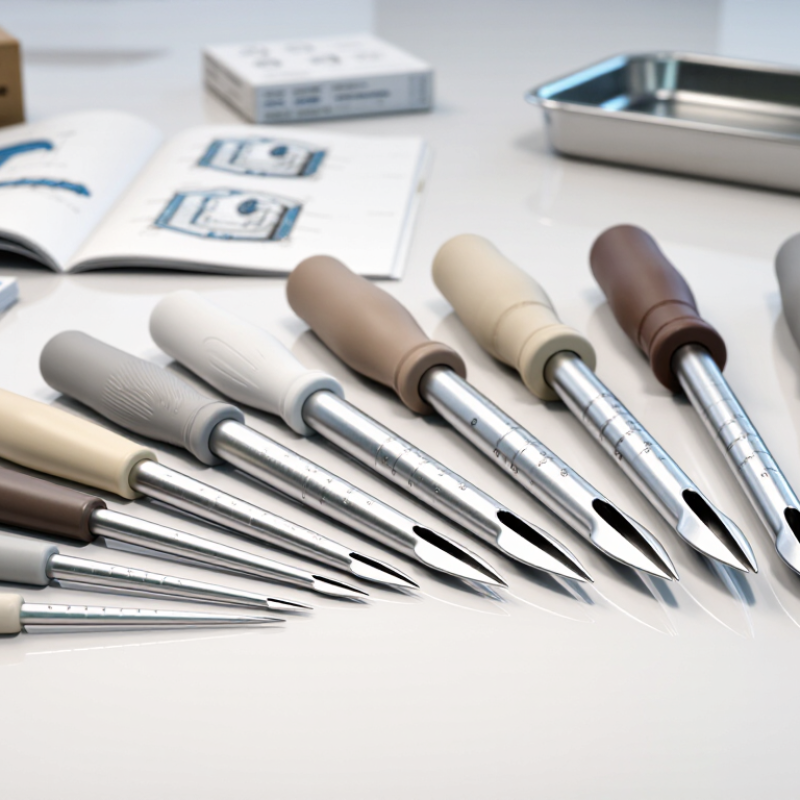
China Top Graduated Breast Dissectors Suppliers

What Graduated Breast Dissectors Are and How They Are Used

What Graduated Breast Dissectors Are and How They Are Used

A graduated breast dissector is a surgical instrument with measurement marks along its shaft. Surgeons may use it during breast procedures to separate tissue and check how far the instrument has advanced. The markings provide a visible reference while working within a planned tissue plane. They do not replace direct assessment of anatomy or careful surgical judgment. Small details matter.

In practice, the surgeon selects an instrument suited to the procedure and patient’s anatomy, then uses controlled movements to develop or assess the intended space. The scale can help compare depth at different points, though markings alone cannot confirm that a plane is appropriate. Good lighting, clear visibility, and steady handling are essential. A tool is only as useful as the technique behind it.

The American Society of Plastic Surgeons’ 2023 Plastic Surgery Statistics Report recorded 304,181 breast augmentation procedures in the United States. That figure describes procedure volume, not dissector use, but it shows the scale of breast surgery in which precise instruments may play a role. For clinical teams and buyers, useful evaluation points include readable graduations, secure construction, and ease of cleaning under the facility’s validated process. Even a clear scale can be misread; that limitation deserves attention.

China Top Graduated Breast Dissectors Suppliers — What Graduated Breast Dissectors Are and How They Are Used

About the chart: It shows the inch equivalents of 1–10 cm metric marks, rounded to two decimal places (1 inch = 2.54 cm). Graduated breast dissectors are surgical instruments used by qualified surgeons to help develop or refine an implant pocket; markings provide a visual measurement reference. Graduation intervals and instrument designs vary, and the chart is a unit-conversion reference—not a specification for a particular instrument or a guide to surgical technique.

Key Design Features and Measurement Markings

A graduated breast dissector should make its measurement scale easy to read during a careful instrument check. Clear, evenly spaced markings help staff confirm dimensions without guessing. The scale should use consistent units, with numerals placed where they remain visible along the shaft. Small, shallow lines may disappear under glare or residue. That matters.

Design details also affect handling. A smooth transition between the working end and shaft can support controlled movement, while a balanced handle helps the instrument feel steady in gloved hands. Suppliers should state the instrument’s material, marking method, available sizes, and approved cleaning or sterilization instructions.

Etched graduations may resist fading, but buyers should verify durability through product documentation and inspection. A scale can look precise and still disappoint when its markings are hard to distinguish.

I would compare samples under ordinary procedure-room lighting, not only in a catalogue image. Check that the tip, graduations, and surface finish match the intended specification. Small gaps in product information deserve questions, not assumptions.

China’s Breast Dissector Manufacturing Landscape

China Top Graduated Breast Dissectors Suppliers

China’s breast dissector manufacturing landscape includes machining, forming, finishing, and inspection operations. Some facilities produce complete instruments, while others focus on components or contract manufacturing. A graduated dissector may look simple, but its markings, tip geometry, and handle balance demand close control.

On a production floor, operators may check the scale under magnification, inspect the working end for burrs, and test the instrument’s alignment. Small differences matter. Markings should remain legible after cleaning, and the finish should be consistent across the instrument. These details are useful evaluation points, not proof of clinical performance.

Supplier capability varies. Buyers can ask for material specifications, batch traceability, inspection records, and samples made to the same design as the proposed production run. Documentation needs review. A polished sample alone cannot show how reliably a factory controls repeated orders. Some suppliers may offer flexible customization, though added options can complicate inspection and consistency. That trade-off deserves attention. Even a clear specification can leave room for interpretation, so dimensions and acceptance criteria should be written precisely.

How to Evaluate Chinese Graduated Breast Dissector Suppliers

China Top Graduated Breast Dissectors Suppliers

How to Evaluate Chinese Graduated Breast Dissector Suppliers

When evaluating Chinese suppliers of graduated breast dissectors, check the instrument itself, not only its catalogue. Ask for drawings that specify scale spacing, overall dimensions, material grade, and acceptable tolerances. Compare several samples under bright, even lighting: the graduations should be legible, evenly spaced, and resistant to routine cleaning. Details matter. A polished sample can still conceal inconsistent production, so request inspection records from more than one lot.

Review the supplier’s quality procedures and traceability documents. Can each instrument be linked to a production batch? Are material certificates and inspection results available for review? WHO’s 2021 Global Patient Safety Action Plan notes that about one in ten patients experiences harm in health care. That figure is not specific to surgical instruments, but it underscores why dependable equipment and documented controls matter. Ask how the supplier handles nonconforming items and whether changes to materials or processes are recorded. Do not assume a certificate proves every delivered unit meets your specifications.

Tips: Request samples from separate production lots and inspect the scale with a calibrated measuring tool. Clarify packaging, cleaning instructions, and applicable test reports before ordering. Keep your own acceptance checklist; supplier documents help, but they do not replace verification. A small oversight can happen. It is worth reviewing.

Quality Standards, Documentation, and Procurement Considerations

When comparing China-based suppliers of graduated breast dissectors, assess the instrument, not just its catalogue image. Check that the scale is clear, evenly spaced, and positioned consistently across samples. Inspect the working end for smooth finishing, aligned edges, and signs of burrs. Material specifications and corrosion-resistance claims should be supported by records, not sales language alone.

Tips: Request a pre-production sample. Compare its graduations with a measuring reference, then retain the inspection notes. Ask how the supplier handles out-of-specification units.

Procurement teams should request a lot number, material documentation, inspection results, and a defined product specification. Confirm that the quoted dimensions, finish, packaging, and quantities match the purchase order. Ask whether the supplier can provide change notifications and traceability for delivered lots. Keep approved samples and records for later comparison. A polished sample is useful, but it cannot prove consistent production. That point is easy to overlook. If documentation is incomplete or difficult to verify, pause and clarify the gap before placing a larger order.

FAQS

What is a graduated breast dissector?

It is a surgical instrument with measurement marks along its shaft. The marks provide a visible depth reference during breast procedures.

How may surgeons use its graduations?

Surgeons may check how far the instrument has advanced while developing or assessing a tissue space. The scale does not confirm that the chosen plane is appropriate.

What else matters during use?

Clear visibility, good lighting, and controlled handling matter. Direct assessment of anatomy remains essential. A scale is only a reference.

What manufacturing details should buyers examine?

Check whether graduations are readable, the working end is smooth, and the instrument appears aligned. Burrs or uneven finishing deserve attention.

What records can buyers request from a supplier?

Request material specifications, batch traceability, inspection results, and a defined product specification. Records should support claims rather than simply repeat sales language.

Why request a pre-production sample?

Compare its markings with a measuring reference and keep inspection notes. A sample helps, but it cannot prove consistent production.

What should match the purchase order?

Confirm dimensions, finish, packaging, and quantities. Ask how out-of-specification units and product changes are handled.

What should buyers do if documentation is unclear?

Pause and clarify missing details before placing a larger order. Even precise-looking paperwork can leave room for interpretation.

Conclusion

Graduated breast dissectors are surgical instruments designed to assist with tissue dissection while providing measurement references during procedures. Their graduated markings can help users assess depth or distance more consistently, while features such as handle shape, tip design, material selection, and clear, durable scales influence handling and usability. Understanding these characteristics helps buyers identify instruments suited to their intended clinical applications and reprocessing requirements.

China’s breast dissector manufacturing landscape includes suppliers with differing production capabilities, customization options, and quality-control processes. When evaluating Chinese suppliers, buyers can review manufacturing experience, product specifications, sample consistency, inspection procedures, and communication practices. Procurement decisions should also take account of applicable quality standards, traceable documentation, material and sterilization information, packaging, and after-sales support. A careful comparison of these factors can help healthcare organizations select dependable Graduated breast dissectors and establish a transparent, well-documented purchasing process.

Isla

Isla

Isla is a professional marketing specialist with a deep understanding of the company’s products, customers, and industry landscape. With a strong background in strategic communication, market research, and content development, Isla transforms complex product information into clear, practical, and......