 Surgical Instrument Manufacturer Surgical Instrument Manufacturer
 Explore our top-tier precision fiberoptic laryngoscopes, animal airway operation kits, and surgical diagnostic sets forged for hospital-grade sterilisation resistance.
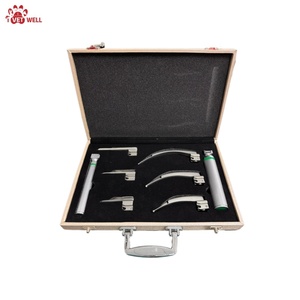
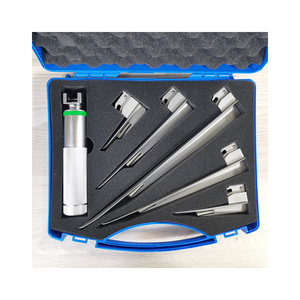
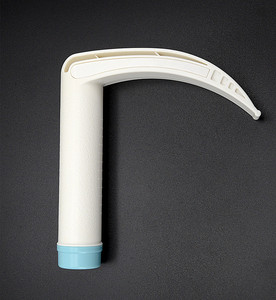
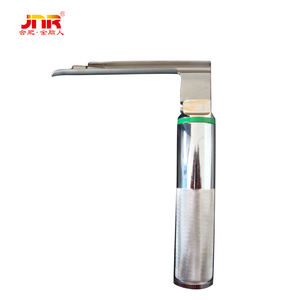
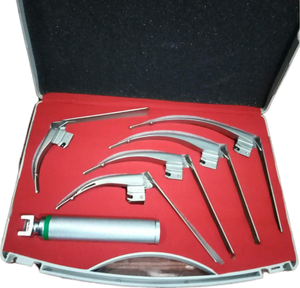
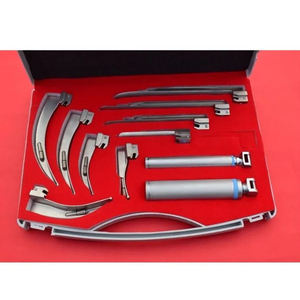
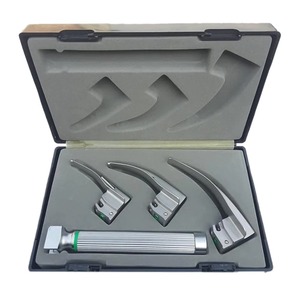
In the contemporary healthcare and surgical technology ecosystem, global hospital networks, dental institutes, and veterinary surgical centers face stringent regulatory pressures regarding device safety, biocompatibility, and lifecycle ergonomics. As medical device sourcing shifts from non-standard localized suppliers toward CE-certified OEM manufacturing powerhouses, understanding the underlying metallurgical science and international compliance frameworks becomes vital for procurement executives.
Sialkot, Pakistan, stands as the premier global hub for precision manual and motorized surgical instrument forging, accounting for a massive share of worldwide reusable medical tools. Facilities certified under ISO 13485:2016 and ISO 9001:2015 carry the structural capabilities required to turn high-density raw martensitic and austenitic steel billets into high-precision surgical blades, forceps, elevators, and fiber optic intubation instruments. Fizza Surgical International represents over four decades of direct forge-to-table engineering, maintaining absolute vertical integration across every phase of production.
The operational longevity and physiological safety of a surgical tool depend fundamentally on its metallurgical composition, heat treatment profile, and surface passivation. Surgical instrument buyers must differentiate between raw material classifications to prevent premature pitting corrosion, jaw distortion, or fatigue stress failures in the operating theater.
| Steel Classification | Standard Grade | Rockwell Hardness (HRC) | Primary Clinical Applications | Corrosion Resistance |
|---|---|---|---|---|
| Martensitic Stainless Steel | AISI 410 / 420 / 440 | 48 - 54 HRC | Cutting scissors, dissecting forceps, osteotomes, laryngoscope blades | High tensile strength; requires chemical passivation |
| Austenitic Stainless Steel | AISI 304 / 316L | Non-hardened (Base) | Hospital holloware, kidney trays, sterilising drums, outer casing handles | Superior chemical & autoclave steam corrosion resistance |
| Tungsten Carbide Insert (TC) | W2C Sintered Matrix | > 70 HRC | Needle holder jaw inserts, gold-handle premium surgical scissors | Extreme abrasion resistance; 5x longer cutting edge life |
During the forging phase, raw steel is heated past its critical transformation temperature to align grain structure. In our Sialkot forging workshops, computer-controlled drop-forging dies compress the metal to eliminate internal micro-voids. Hardening is accomplished in vacuum furnaces followed by rapid oil quenching, shifting the microscopic matrix from austenite to martensite. Subsequent tempering cycles relieve internal stress, securing a refined balance between hardness (HRC 48-52) and mechanical ductility to prevent catastrophic brittleness during high-torque bone or tissue manipulation.
Chemical passivation is performed in compliance with ASTM A967 and ISO 16061 guidelines. By bathing finished tools in specialized citric or nitric acid baths, free iron molecules are stripped from the surface, forming a self-healing Chromium Oxide (Cr₂O₃) passive layer. This invisible shield protects the tool against repetitive steam sterilization cycles (134°C at 2.1 bar pressure in CSSD autoclaves) without losing structural integrity or discoloration.
Procuring directly from a primary manufacturer eliminates intermediary markup while guaranteeing total traceability from raw batch billets to packaged devices. Our facility operates under audited cleanroom protocols, backed by an established workforce trained in fine German-pattern benchwork.
Fully compliant with EU MDR 2017/745 Class I device norms, backed by DEKRA ISO 13485:2016 certification and FDA Establishment Registration #3019842214.
Supporting international medical supply brands with custom private label solutions, laser marking, custom catalogue coding, and localized packaging from 300 units.
Every single tool undergoes 4 distinct quality gates: raw steel spectro-analysis, post-hardening hardness check, jaw optical alignment, and boil-test corrosion screening.
As healthcare procurement shifts toward sustainability, cost-containment, and risk mitigation, key global purchasing trends are redefining how hospitals and distributor networks select their manufacturing partners:
Conventional incandescent bulb laryngoscopes are rapidly being phased out across North America and Europe due to thermal risk and battery drain. Modern intubation sets utilize high-density glass fiber optic bundles integrated directly into stainless steel blades (such as Macintosh and Miller patterns). These bundles transmit cold, high-lux illumination (>4,000 LUX) without electrical leads inside the blade channel, vastly reducing sterilization wear and cross-contamination risks.
While single-use plastic laryngoscope blades experienced temporary surges, life-cycle carbon calculations and cost-per-use metrics favor high-grade reusable stainless steel instruments. A premium AISI 420 fiberoptic blade can withstand over 2,000 autoclave cycles when passivated correctly, reducing environmental medical waste by over 85% compared to disposable PVC alternatives.
Regulatory authorities, including the US FDA and European Medicines Agency (EMA), mandate direct part marking (DPM) using 2D DataMatrix barcodes on reusable surgical devices. Modern export-focused factories must employ high-resolution fiber laser systems that mark UDI codes without compromising the protective oxide film of the steel.
To eliminate product non-conformities before export, certified manufacturing operations implement multi-stage quality assurance systems. Below is the blueprint executed across our production lines:
Incoming steel bars are subjected to X-ray fluorescence (XRF) spectro-analysis to verify exact percentages of Chromium (12-14%), Carbon (0.15-0.40%), and Manganese before forging clearance.
Post-quenching batches undergo digital Rockwell hardness testing (HRC scale). Samples failing to meet the tight target threshold are rejected or re-tempered to avoid brittle fracture risk.
Laryngoscope light guides are calibrated using optical lux-meters to guarantee light transmission integrity. Forceps jaw tips are checked under stereomicroscopes for zero-gap alignment.
Finished passivated instruments are immersed in boiling distilled water for 30 minutes, followed by a 24-hour drying cycle per ISO 7153-1 standards to confirm absolute rust-proof passivation performance.
Below are essential technical and operational answers tailored for hospital purchasing committees, medical distributors, and private-label buyers:
Since 1980, Fizza Surgical International has focused on forging master-craftsman surgical tools that empower surgeons and clinical professionals across 50+ countries. Operating out of Nar-Gate Street, Jinnah Park, Colony No:2, Sialkot, Pakistan, our facility maintains active certifications across ISO 13485:2016, ISO 9001:2015, and EU MDR Class I standards.
Whether you require standard Macintosh fiberoptic laryngoscope sets, custom veterinary intubation devices, orthopedic rongeurs, or large-scale private label manufacturing, our engineering department provides complete support from design CAD modeling to final certified shipment.
Connect with our technical export directors today to request physical samples, official pricing catalogues, or technical compliance documentation for upcoming tenders.