 Surgical Instrument Manufacturer Surgical Instrument Manufacturer
 Direct factory export of CE Class I certified bone cutters, veterinary intubation kits, and specialized orthopedic instruments crafted to ISO 13485 standards.
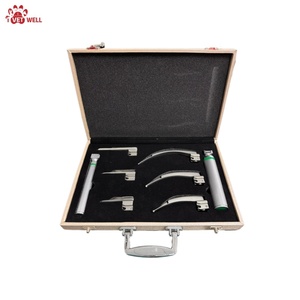
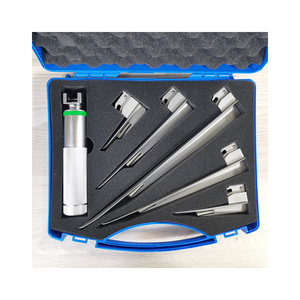
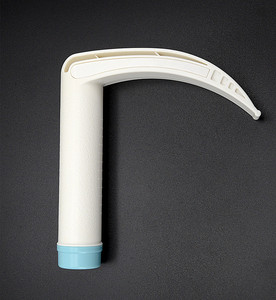
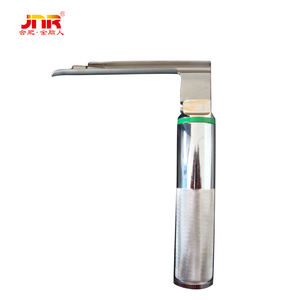
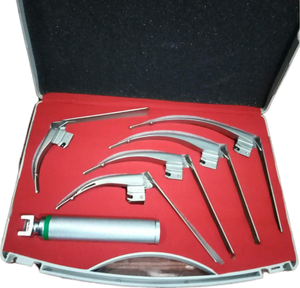
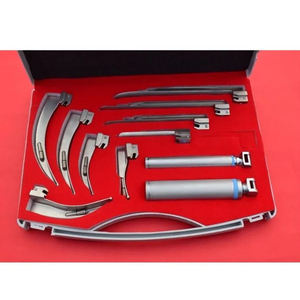
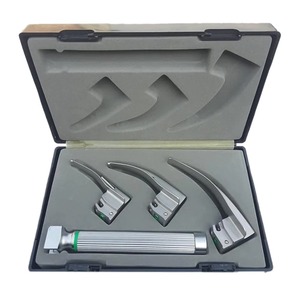
The global demand for high-precision surgical bone cutters, rongeurs, bone cutting forceps, and specialty orthopedic instruments has undergone a structural transformation. Medical device procurement officers, hospital purchasing consortiums, and OEM brand owners no longer evaluate suppliers based solely on unit cost. Instead, modern intent mining reveals that procurement decisions are driven by strict regulatory verification, metal hardness consistency, mechanical compound leverage performance, and long-term surface passivation stability.
As a leading hub for orthopedic and surgical instrument forging, China's specialized manufacturing clusters have integrated advanced CNC five-axis precision milling, vacuum heat treatment furnaces, and automated electrochemical polishing with traditional hand-finishing craftsmanship. This whitepaper analyzes the engineering benchmarks, metallurgical standards, regulatory mandates, and market trends governing global procurement of surgical bone cutters and related anatomical cutting instruments.
Understanding steel grades, double-action leverage geometry, and blade tempering kinetics for optimal surgical performance.
Forged primarily from high-grade AISI 410, AISI 420J2, and AISI 440C martensitic stainless steel, optimized for razor-sharp cutting edges and high tensile yield strength under extreme mechanical force.
Precision vacuum heat treatment and cryo-tempering deliver optimal Rockwell C hardness (HRC 50–56), ensuring clean bone transection without micro-chipping or premature edge dulling.
Engineered compound mechanical joints (Stille-Luer and Liston mechanics) double the mechanical advantage applied by the surgeon, reducing hand fatigue during dense cortical bone resections.
| Steel Grade / Alloy | Hardness Range (HRC) | Primary Clinical Application | Corrosion & Sterilization Resistance |
|---|---|---|---|
| AISI 420 / 420J2 Martensitic | 50 – 54 HRC | Liston Bone Cutting Forceps, Ruskin Rongeurs, Bone Shears | Excellent resistance to repeated steam autoclaving (134°C); ASTM A967 passivated. |
| AISI 440C High-Carbon | 54 – 58 HRC | Heavy-Duty Orthopedic Bone Cutters, Micro-Neurosurgical Cutters | Superior edge retention; requires precise pH-neutral post-sterilization drying cycles. |
| Tungsten Carbide (TC) Inserts | 70+ HRC (Tip Insert) | Gold-Handle TC Wire & Bone Cutters, Surgical Scissors | Brazed micro-grain tungsten carbide inserts provide 5x extended cutting tip longevity. |
| AISI 304 / 316L Austenitic | Non-Cutting Hardness | Sterilization Baskets, Surgical Holloware, Trays, Handles | Maximum resistance to saline, enzymatic detergents, and chemical disinfestations. |
Synthesizing vertical integration, ISO certified manufacturing systems, and turnkey private-label OEM capabilities.
From drop-forging raw surgical steel bars to CNC milling, joint alignment, grinding, electropolishing, and laser marking—100% produced inside accountable facilities.
Certified under ISO 13485:2016 and ISO 9001:2015 quality systems (DEKRA audited), CE Class I compliant under EU MDR 2017/745, with FDA establishment registration (Reg. #3019842214).
Flexible branding support starting at 300 units per pattern. Includes custom laser-etched logos, bespoke catalog numbering, color-coded rings, and custom sterile packaging options.
Orthopedic surgeons perform highly repetitive bone shaping procedures in joint replacement, spinal fusion, and trauma reconstruction. Future procurement contracts increasingly mandate ergonomic handles with non-slip matte textured grips and balanced weight distribution. Double-action hinge mechanisms are replacing single-hinge cutters to minimize force requirements by up to 40%.
Leading Chinese exporters are implementing advanced PVD surface treatments. Diamond-Like Carbon (DLC) coatings provide extreme surface hardness, near-zero friction co-efficient at the pivot joints, and elimination of light reflection under high-intensity operating room lighting.
In accordance with EU MDR 2017/745 and US FDA regulations, modern surgical bone cutters must feature high-density, direct-part-marked (DPM) 2D DataMatrix codes. This allows hospital Central Sterile Supply Departments (CSSD) to track instrument sterilization cycles, usage counts, and maintenance schedules automatically.
Traditional nitric acid passivation is rapidly being replaced by eco-friendly citric acid formulation methods conforming to ASTM A967 standards. Citric acid selective leaching removes free iron from the stainless steel surface without generating hazardous nitrous chemical fumes, producing a deeper chromium oxide passive layer.
Expert answers addressing raw material validation, quality inspection, lead times, and regulatory compliance.
Bone cutting instruments require high hardness and corrosion resistance. Premium re-usable cutters use German-equivalent AISI 420J2 or AISI 440C martensitic stainless steel (hardened to 50–56 HRC). Structural handles, holloware, and non-cutting components utilize AISI 304 or 316L austenitic stainless steel.
Standard OEM private label production starts at 300 units per pattern. This includes customized laser marking of your catalog numbers and company logo, ring color coding, custom pouch packaging, and complete technical file compliance.
Yes. Production facilities operate under strict ISO 13485:2016 and ISO 9001:2015 quality management systems audited by notified bodies such as DEKRA. Instruments carry CE marking as Class I medical devices under EU MDR 2017/745 with EUDAMED listing and FDA establishment registration (Reg. #3019842214).
Every batch undergoes rigorous multi-gate Quality Assurance: dimensional verification against DIN/ASTM tolerances, hardness testing (HRC), jaw alignment checks, 100-cycle boil testing (per ISO 7153-1 for corrosion resistance), and final AQL visual inspection before packaging.
Standard catalog items ship within 7 to 10 working days. Custom OEM orders, specialized bone cutting sets, or tender bulk runs are typically produced and dispatched within 10 to 20 working days via DHL, FedEx, air freight, or sea containers.
Yes. We provide sample units for clinical evaluation, ergonomic testing by surgeons, and sterilization validation by hospital CSSD teams prior to bulk tender confirmation.
Access over 25,000 certified surgical, orthopedic, dental, veterinary, and airway instrument patterns direct from our factory. Request complete technical specifications, material certificates, and wholesale pricing today.