 Surgical Instrument Manufacturer Surgical Instrument Manufacturer
 Explore our CE and ISO 13485 certified optical, diagnostic, and surgical intubation instruments forged for clinic-grade durability and surgical precision.
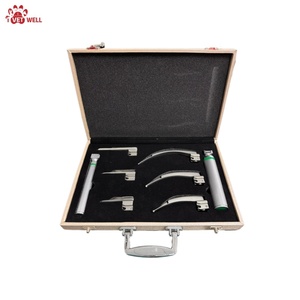
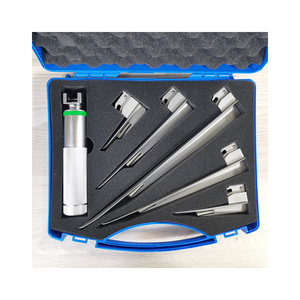
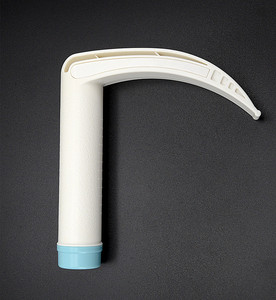
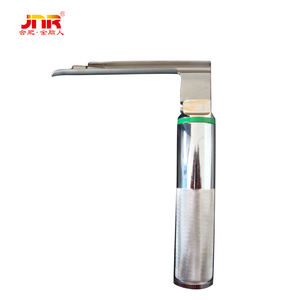
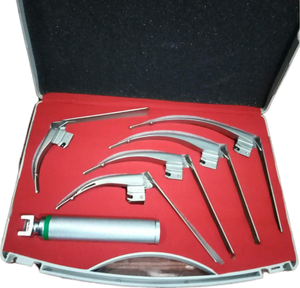
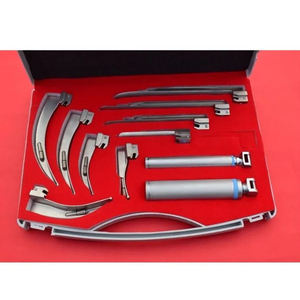
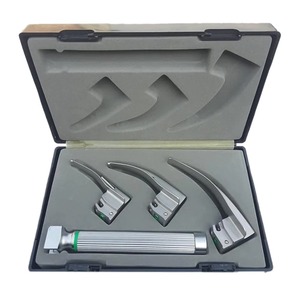
In the modern international healthcare marketplace, selecting high-caliber medical and dental tools requires rigorous evaluation far beyond superficial unit price comparisons. Procurement managers, hospital supply directors, and private-label distributors face escalating regulatory pressure under framework protocols such as the European Union Medical Device Regulation (EU MDR 2017/745), US FDA 21 CFR Part 820 cGMP, and global UDI (Unique Device Identification) mandates. Securing a reliable supply chain backed by accredited Chinese and international forging facilities ensures operational security, surgical efficacy, and complete legal compliance.
This technical whitepaper outlines the essential metallurgical standards, production engineering protocols, quality control checkpoints, and market projections necessary for evaluating top-tier China dental tool manufacturers and surgical suppliers.
Dental hand tools—including extraction forceps, root elevators, periodontal scalers, micro-tweezers, and restorative carvers—demand specific mechanical properties. The tip of an elevator or scaler must possess exceptional hardness to maintain sharp working edges without chipping, while the joint box of extraction forceps requires ductility to absorb sudden impact torque.
| Steel Grade Spec | Microstructure Category | Hardness Range (Rockwell C) | Primary Clinical Applications | Corrosion Immunity Level |
|---|---|---|---|---|
| AISI 420 (X20Cr13 / X30Cr13) | Martensitic Stainless Steel | 50 – 54 HRC | Dental extraction forceps, hinged pliers, bone rongeurs | High (After Passivation) |
| AISI 440C (X105CrMo17) | High-Carbon Martensitic | 56 – 60 HRC | Periotomes, periodontal scalers, surgical scissors tips | Superior Wear Resistance |
| AISI 316L (X2CrNiMo17-12-2) | Austenitic Stainless Steel | Non-Hardened (Base) | Sterilization trays, holloware, diagnostic mirror handles | Maximum Autoclave Chemical Immunity |
| Tungsten Carbide Inserts (TC) | Sintered Carbide Composite | 70 – 75 HRC | Needle holder jaws, micro-serrated scissors insert blades | Extreme Abrasion Resistance |
Leading Chinese manufacturing hubs employ strict spectrographic raw material validation for incoming steel billets. Every heat lot undergoes X-ray fluorescence (XRF) spectroscopy to guarantee exact chemical compositions of Chromium (12–18%), Molybdenum (for pitting resistance), and Carbon prior to hot die forging.
The transition from raw metal stock to an ergonomic, sub-millimeter accurate dental tool involves sophisticated manufacturing phases. Below are the key technological benchmarks implemented by premier suppliers:
Dental extraction joint boxes and delicate serrated forceps jaws are cut using 5-axis CNC machining centers and Wire Electrical Discharge Machining (EDM). This guarantees tip alignment tolerances within ±0.01 mm, preventing tissue slippage during atraumatic oral procedures.
Controlled-atmosphere vacuum furnaces prevent surface decarburization during hardening. Computer-monitored tempering cycles relieve internal stress, balancing edge-retention hardness with structural flexibility to prevent sudden tool fracture under load.
Chemical bath treatment removes free iron particles from the tool surface, forcing the spontaneous formation of an ultra-thin chromium oxide passive layer. Every batch undergoes boiling water testing and copper sulfate testing to verify 100% rust immunity.
The global dental instruments market is undergoing rapid evolution driven by minimally invasive dentistry, digital workflow integration, and heightened infection control mandates. B2B buyers must align their sourcing strategies with the following macro industry trends:
Modern oral surgery emphasizes preservation of the alveolar bone socket for immediate implant placement. Demand for ultra-thin micro-periotomes, flexible syndesmotomes, and targeted root tip elevators forged from high-flexibility titanium or martensitic steel has surged by over 35% year-over-year.
Practitioner fatigue and repetitive strain injuries (RSI) are critical concerns in high-volume dental clinics. Manufacturers are replacing heavy solid stainless steel handles with hollow large-diameter (10mm–12mm) matte-finished handles and titanium PVD-coated grips that reduce strain while optimizing tactile sensitivity.
As reflected in diagnostic airway management equipment (such as video and fiberoptic laryngoscopes), dental and oral diagnostic tools are increasingly incorporating micro-CMOS sensors, anti-fog optical illumination, and digital capture for real-time surgical visualization and medical record documentation.
Global regulatory bodies require full supplier audit trails. Top Chinese suppliers now deliver complete technical documentation packages—including UDI laser etching, material certificate batch tracing, EUDAMED registration, and ISO 13485 quality control protocols—enabling seamless distributor registration worldwide.
China has established itself as an advanced global hub for medical device manufacturing, combining complete industrial supply chain integration with world-class metallurgy, automated CNC infrastructure, and competitive cost structures. Key operational benefits include:
To launch a successful private-label dental tool range or source custom surgical kits, premier manufacturers execute a structured 6-stage development process:
Buyers provide physical samples, technical drawings, or 3D STEP files. Factory engineers perform reverse engineering and digital stress simulation to optimize blade geometry and handle ergonomics.
Custom forging dies are cut in-house. High-tonnage friction screw presses forge high-grade steel billets into exact blank shapes, establishing refined grain flow for maximum tensile strength.
Automated milling centers shape joint boxes, ratchets, and serrations. Master technicians hand-grind and balance working tips to ensure subtle tactile feedback for delicate clinical procedures.
Atmospheric vacuum heat treatment achieves target HRC hardness. Instruments undergo micro-bead blasting, satin-glare reduction, or titanium nitride (gold/black PVD) coating.
Instruments pass through automated chemical passivation lines. Fiber laser systems etch brand logos, item codes, lot numbers, matrix barcodes, and CE identifiers on the steel surface.
Every lot undergoes 100% manual inspection for jaw alignment, cutting sharpness, ratchet retention, and surface purity before seal-packing and worldwide dispatch via DHL, FedEx, air, or sea freight.
Reusable dental hand instruments and surgical forceps are predominantly forged from German-grade AISI 410, AISI 420, and AISI 440C martensitic stainless steel. These alloys are heat-treated to achieve a hardness of 50–58 HRC, ensuring edge retention and jaw alignment. Non-cutting holloware, trays, and sterilisation drums utilize AISI 304 or AISI 316L austenitic stainless steel for maximum chemical resistance during high-temperature steam autoclaving.
Standard OEM private label production typically starts at 300 units per pattern. This includes custom laser logo marking, custom catalogue numbering, specialized surface finishes (such as satin matte, mirror polish, or gold-plated handles), customized pouch or blister packaging, and export master carton labeling. Combined multi-pattern orders can often be arranged for initial market evaluations.
Yes. Production operations strictly adhere to ISO 13485:2016 and ISO 9001:2015 Quality Management Systems. Reusable dental and surgical instruments carry CE marking as Class I medical devices under EU MDR 2017/745, backed by technical documentation and EUDAMED listings. Facilities also hold US FDA Establishment Registrations (e.g., FDA Reg. 3019842214) to facilitate smooth customs clearance across global ports.
Rust resistance is guaranteed through rigorous chemical passivation performed in accordance with ASTM F1089 guidelines. This process strips free surface iron molecules and forms a protective chromium oxide barrier. Finished batches undergo copper sulfate testing and boiling water immersion tests to verify that tools withstand repeated 134°C steam autoclaving without staining, pitting, or rusting.
Standard catalog samples ship within 3 to 7 working days. Bulk OEM production orders are generally completed within 10 to 20 working days, depending on pattern complexity and quantity. Shipments are dispatched globally via express courier (DHL, FedEx, UPS), air freight, or sea freight, accompanied by full commercial invoices, packing lists, certificates of origin, and declarations of conformity.
Yes. Hospital purchasing teams, dental laboratory networks, and distribution partners can request sample evaluation kits. This allows clinical teams to evaluate handle ergonomics, jaw grip, balance, and edge performance in practice, while central sterile services departments (CSSD) can validate sterilization protocols before placing volume contracts.
Ready to upgrade your instrument catalog, optimize procurement costs, or launch a custom private-label surgical line? Connect directly with our engineering and export desk for technical quotes, sample kits, and comprehensive ISO/CE compliance documentation.