 Surgical Instrument Manufacturer Surgical Instrument Manufacturer
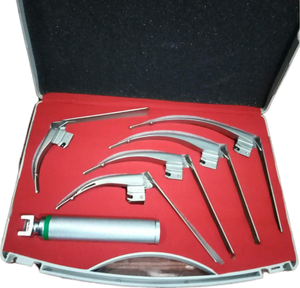
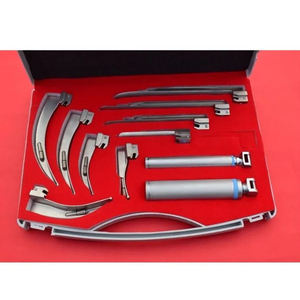
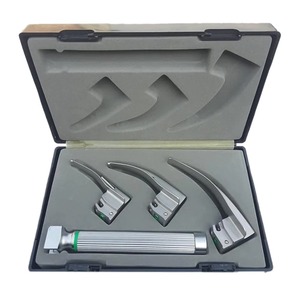
 Direct factory supply featuring ISO 13485 compliant surgical handles, specialized fiber optic airway inspection instruments, and clinical intubation systems exported worldwide.
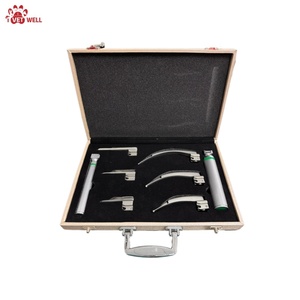
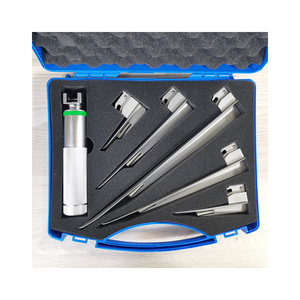
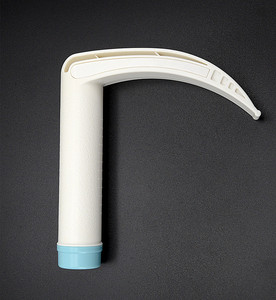
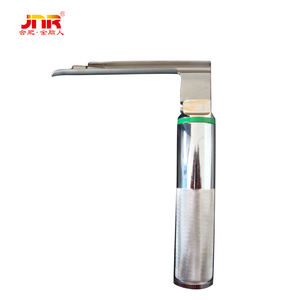
In modern surgical environments—ranging from plastic micro-surgery and orthopedic resection to cardiovascular bypass operations—the scalpel handle serves as the critical tactile connection between the surgeon's tactile feedback and patient tissue. China has emerged as the premier manufacturing hub for precision surgical instruments, integrating advanced computer numerical control (CNC) machining with proprietary passivation techniques to meet global healthcare standards.
A surgical scalpel handle must balance three paramount physical parameters: high tensile yield strength to resist mechanical deformation, flawless surface passivation to prevent autoclave corrosion, and exact dimensional adherence to international blade fitting standards (specifically ISO 7740 and BS 2982).
Leading Chinese exporters offer handles forged primarily from two distinct grades of surgical stainless steel, tailored to clinical application requirements:
| Steel Grade Standard | Material Class | Hardness (Rockwell C) | Primary Clinical Applications | Sterilization Cycle Endurance |
|---|---|---|---|---|
| AISI 420 (Martensitic) | High-Carbon Chromium Steel | 50 – 54 HRC | Reusable Scalpel Handles (#3, #4, #7), Bone Chisels, Cutting Forceps | > 2,500 Autoclave Cycles (134°C Thermal Resistance) |
| AISI 304 / 316L (Austenitic) | Chromium-Nickel Stainless | 25 – 30 HRC | Hospital Holloware, Sterilization Trays, Non-Cutting Surgical Handles | > 5,000 Autoclave Cycles (Superior Chemical Resistance) |
| Titanium Alloy (Ti-6Al-4V) | Alpha-Beta Titanium | 36 – 40 HRC | Ophthalmic & Microsurgical Ultra-Light Scalpel Handles | Indefinite (Non-magnetic, MRI Compatible) |
Precision slotting of the scalpel handle tip is manufactured with tolerances under 0.02 mm. This ensures that surgical blades (such as #10, #11, #15 for #3 handles, or #20, #22, #24 for #4 handles) lock firmly into place without axial play or tactile slippage during delicate incisions.
Procurement directors and hospital purchasing managers must categorize scalpel handle inventory according to standardized fitting slots. Matching the correct handle fitting with specific surgical blade geometry ensures optimal ergonomic balance and surgical efficiency.
| Handle Model | Fitting Standard | Compatible Surgical Blades | Ergonomic Grip Profile | Primary Surgical Specialization |
|---|---|---|---|---|
| No. 3 Handle | Small Fit (Slot Size 3) | #10, #11, #12, #15, #15C | Cross-Hatch Micro Knurled, Flat Profile | General Surgery, Dermatology, ENT, Minor Procedures |
| No. 4 Handle | Large Fit (Slot Size 4) | #20, #21, #22, #23, #24, #25 | Heavy-Duty Grooved, Wide Flat Grip | Orthopedics, Thoracic Surgery, Autopsy, Gross Dissection |
| No. 7 Handle | Small Fit (Slot Size 3) | #10, #11, #12, #15 | Slender Pen-Grip Contour, Long Reach | Plastic & Reconstructive Surgery, Deep Cavity Dissection |
| No. 3L / 4L (Long) | Slot 3 / Slot 4 Fit | All Standard Blades (#10 to #25) | Extended Shaft (210mm total length) | Bariatric, Abdominal & Gynecological Procedures |
| Baron Micro Handle | Round Screw-Fit / Mini Slot | Micro-blades & Fine Ophthalmic Blades | Knurled Cylindrical Balance Bar | Ophthalmology, Neurosurgery, Micro-Vascular Surgery |
Combining over 40 years of metallurgical heritage with state-of-the-art automated manufacturing, our OEM/ODM infrastructure guarantees institutional compliance and robust supply chain resilience.
Fully certified Quality Management System under ISO 13485:2016 and ISO 9001:2015. Every manufacturing batch undergoes full material heat-number traceability from raw ingot to final sterilized package.
CE marked under EU MDR 2017/745 Class I reusable device regulations, registered on EUDAMED, and compliant with US FDA establishment registration 3019842214 for seamless international customs clearance.
Extensive forging die library covering 25,000+ patterns enables stock shipments in 7–10 days and OEM customized orders within 10–20 working days via DHL, FedEx, air or ocean container lines.
Utilizing automated citric acid and nitric passivation lines to strip free iron particles from handle surfaces, creating an impenetrable chromium oxide layer that survives rigorous ASTM F1089 boil testing.
Support for custom high-precision fiber laser marking of logos, specialized scale graduations (in mm/cm), custom catalogue numbers, color-coded anodized rings, and custom sterile packaging.
Complete technical Dossiers, Technical Construction Files (TCF), Statements of Conformity, UDI mapping, and Instructions for Use (IFU) prepared for national ministry of health public tenders.
The global market for surgical scalpels and handles is undergoing significant technological and regulatory evolution. Procurement officers and hospital network buyers must align their supply chain strategies with four emerging industry trends:
Incidence of accidental sharps injuries during operating room blade hand-offs has driven demand for ergonomic safety scalpel handles. Next-generation Chinese designs integrate intuitive thumb-push retractable blade mechanisms and pass-through visual blade lock indicators, adhering strictly to global health worker protection regulations.
With the widespread adoption of high-intensity surgical headlights and 4K surgical video endoscopy, traditional mirror-polished handles cause intrusive optical glare. Advanced manufacturing now emphasizes satin-finish matte surfaces, micro-bead blasted grips, and black PVD (Physical Vapor Deposition) titanium nitride coatings for enhanced visual comfort.
Central Sterile Supply Departments (CSSD) are transitioning to automated inventory management. Leading exporters are embedding heat-resistant, autoclave-tolerant passive RFID micro-chips and GS1 DataMatrix laser codes directly into scalpel handle shanks, enabling digital tracking of sterilization cycles and instrument lifecycle management.
Environmental compliance is reshaping manufacturing facilities. Modern Chinese surgical factories are shifting from hazardous nitric acid passivation bath chemistries to eco-friendly closed-loop citric acid passivation circuits, reducing heavy metal effluent while yielding superior surface oxide purity compliant with ISO 10993 cytotoxicity standards.
Direct technical and commercial answers for hospital procurement managers, medical device distributors, and private-label buyers.
Direct factory pricing, ISO 13485 certified quality control, and complete OEM customization for global hospital suppliers and medical distributors.
Get a Quote