 Surgical Instrument Manufacturer Surgical Instrument Manufacturer
 Certified Class I Medical Devices (CE MDR & ISO 13485:2016) Manufactured with Premium German & Medical Grade Alloys
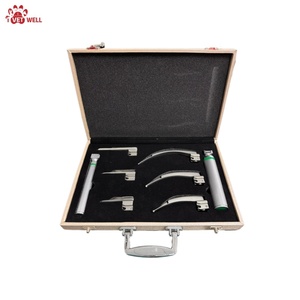
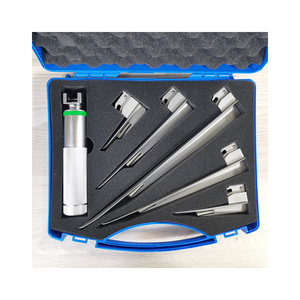
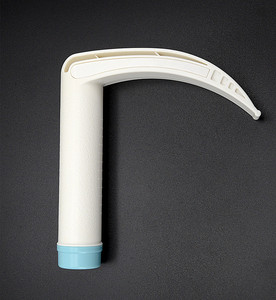
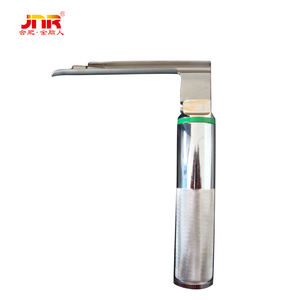
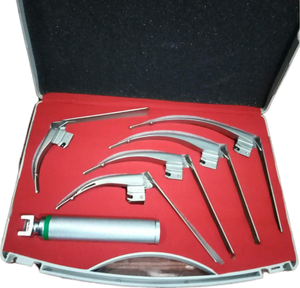
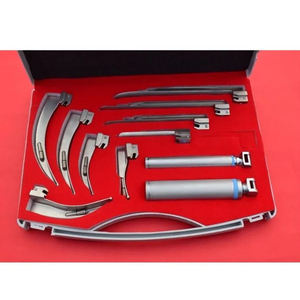
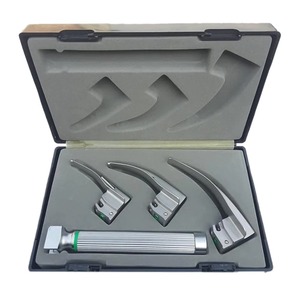
The global healthcare sector demands absolute precision, uncompromised sterility, and rigid mechanical consistency in surgical cutting instruments and airway management blades. As hospital procurement teams, medical device distributors, and private-label brand managers evaluate suppliers, identifying a reliable China best surgical blade supplier requires a thorough examination beyond unit pricing. Procurement directors must analyze raw material metallurgy, microscopic edge consistency, passivation compliance, and international regulatory alignment.
Surgical blades—ranging from standard carbon steel scalpels (ISO 7740 standard) to specialized fiber-optic Macintosh and Miller laryngoscope blades—represent critical contact points in surgical procedures. Microscopic flaws, improper heat treatment, or inconsistent edge geometry can result in tissue trauma, delayed healing, or surgical site complications. This guide provides an expert breakdown of supply chain benchmarks, metallurgical standards, manufacturing innovations, and future procurement paradigms.
Core Procurement Insight: Leading medical suppliers achieve competitive advantages not through low-cost material compromises, but by deploying continuous micro-grinding automation, automated visual AI inspections, and certified ISO 13485 cleanroom assembly.
The cutting efficacy and structural integrity of surgical blades are defined by their steel chemistry and thermal hardening processes. Premium Chinese medical manufacturing facilities utilize high-grade martensitic stainless steels and high-carbon instrument steels tailored to specific clinical applications:
Standard reusable and premium single-use surgical cutting blades utilize German-grade AISI 420 (X20Cr13 / X30Cr13) or AISI 440C stainless steel. With a chromium content ranging between 12% and 18%, these alloys undergo precise vacuum heat treatment, achieving a Rockwell C hardness (HRC) of 50 to 58 HRC. This balanced hardness prevents edge deformation while retaining high corrosion resistance against repetitive steam autoclaving (134°C) and harsh chemical disinfectants.
For acute single-use scalpel applications requiring extreme initial sharpness, carbon steel (with carbon content between 1.15% and 1.25%) remains a preferred choice. Through automated multi-stage oil quenching, high-carbon blades achieve an elevated hardness exceeding 60 HRC, allowing for micro-honed edge bevels with cutting force requirements below 1.5 Newtons.
| Material Grade | Hardness Range (HRC) | Corrosion Resistance | Primary Medical Application | Sterilization Compatibility |
|---|---|---|---|---|
| AISI 420 / 420C Stainless | 50 – 54 HRC | High (Passivated) | Reusable Surgical Instruments, Laryngoscope Blades | Autoclave (134°C), Gamma, ETO |
| AISI 440C Stainless | 56 – 58 HRC | Very High | Micro-Surgical Blades, Ophthalmic Scalpels | Autoclave, Dry Heat, ETO |
| High Carbon Steel (SK5/T10) | 58 – 62 HRC | Moderate (VCI Pouch Protected) | Disposable Standard Scalpels (#10, #11, #15) | Gamma Irradiation (25 kGy) |
| AISI 304 / 316 Stainless | 25 – 35 HRC (Austenitic) | Superior | Blade Handles, Sterilization Trays, Holloware | Autoclave, Plasma, Chemical |
A vital indicator of top-tier surgical blade manufacturing is compliance with ASTM F1089 (Standard Test Method for Corrosion of Surgical Instruments). Leading Chinese suppliers execute chemical passivation using nitric acid or citric acid solutions to strip free iron molecules from the surface layer. This process creates an ultra-thin, protective passive chromium oxide layer ($\text{Cr}_2\text{O}_3$), ensuring that even after extended storage or sterilizing exposure, the blade remains free from pitting or microscopic rusting.
The global medical device procurement environment is undergoing rapid transformations driven by regulatory tightening, technological evolution, and supply chain diversification. B2B buyers must structure their multi-year sourcing strategies around four pivotal industry shifts:
Next-generation scalpel and specialty blades incorporate Physical Vapor Deposition (PVD) coatings, such as Titanium Nitride (TiN) and Diamond-Like Carbon (DLC). These micro-coatings lower friction coefficients during incision, extend sharpness longevity, and reduce tissue adhesion during long surgical operations.
In airway management and ENT surgery, traditional mechanical blades are merging with high-definition digital optics. Sourcing focus is shifting toward modular laryngoscope systems featuring reusable German-steel Macintosh blades coupled with disposable video-guided camera sleeves.
Global buyers are consolidating vendor lists to partner exclusively with manufacturers possessing robust technical documentation. Suppliers must provide full material traceability, Unique Device Identification (UDI) compliance, and validated EUDAMED listings for Class I and Class II devices.
Procurement heads increasingly seek suppliers capable of providing turnkey OEM services—including laser etching, custom catalogue part numbering, color-coded rings, and custom sterile barrier packaging with minimum order quantities (MOQ) as low as 300 units.
The manufacturing process for precision medical blades has evolved from manual sharpening to fully integrated, automated robotic lines. Leading manufacturers employ multi-axis CNC grinding systems equipped with real-time optical sensors to maintain sub-micron dimensional tolerances.
Clinical Performance Index: Standardized cutting force tests demonstrate that automated laser-polished blades reduce initial tissue penetration resistance by up to 22% compared to conventionally ground blades, facilitating smoother incisions and reducing tissue drag.
Rooted in a rich manufacturing legacy since 1980, Fizza Surgical International represents the convergence of deep craftsmanship and modern regulatory compliance. Operating from specialized forging and machining hubs, we maintain over 25,000 active surgical, dental, orthopedic, veterinary, and airway management instrument patterns.
Key technical insights to address common inquiries from hospital procurement boards and international buyers:
For reusable cutting tools and laryngoscope blades subjected to repeated autoclave sterilization cycles, high-chromium martensitic stainless steel such as German-grade AISI 420 or 440C is recommended due to its high corrosion resistance and structural durability. For single-use, high-sharpness scalpels, High Carbon Steel (SK5/T10) or AISI 420 single-use stainless steel provides exceptional edge keenness at cost-effective volume pricing.
Our quality assurance workflow incorporates 4 distinct inspection gates: incoming raw material spectral analysis, post-heat treatment hardness testing (HRC verification), 100% Automated Optical Inspection (AOI) for micro-burrs and edge geometry, and final sampling AQL inspections for cutting force and passivation integrity per ASTM F1089 standards.
Yes. All reusable and disposable surgical cutting instruments and airway management sets are CE marked under EU MDR Class I requirements, complete with verified technical files, UDI labeling, IFU documentation, and active registration in the EUDAMED database.
Our OEM private label programme starts at 300 units per pattern. OEM customization includes crisp fiber-laser logo etching, custom product reference numbers, tailored color-coded handles or rings, custom blister packaging, and private branded master cartons.
Every shipment is accompanied by a full export documentation package, including Material Test Certificates (MTRs), Certificates of Conformance (CoC), ISO 13485 audit copies, commercial invoices, packing lists with batch code tracking, and Certificates of Origin for customs clearance.
In-stock instrument patterns and standard configurations dispatch within 7 to 10 business days. Custom engineered tools, non-standard blade geometries, or full private-label orders typically complete manufacturing and QA testing in 10 to 20 working days, backed by expedited air or freight logistics.
Whether you are expanding a regional medical distribution portfolio, upgrading hospital system inventory, or seeking a trusted OEM partner for custom surgical tools, our engineering and export desk is ready to support your technical specifications.