 Surgical Instrument Manufacturer Surgical Instrument Manufacturer
 High-precision fiber optic laryngoscopes, anesthesia intubation sets, and reusable stainless steel surgical instruments engineered to meet rigorous international standards.
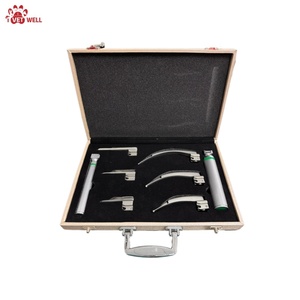
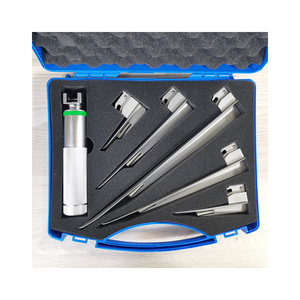
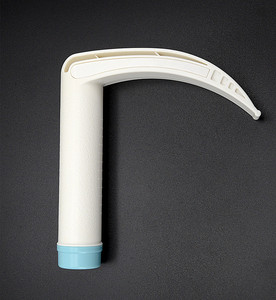
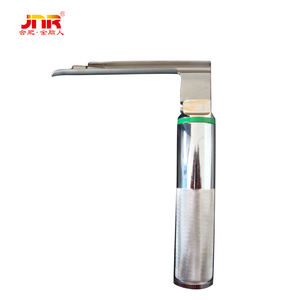
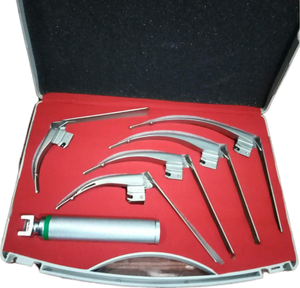
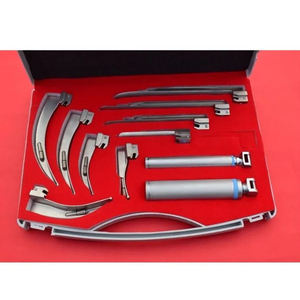
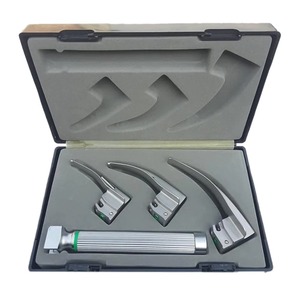
In modern hospital procurement and surgical asset management, the distinction between commercial-grade instruments and medical-grade reusable devices rests on precise metallurgical choices, surface chemistry, and mechanical tolerance controls. As a premier China Top Surgical Instruments Supplier & Exporter, our manufacturing paradigm unites traditional forge craftsmanship with advanced CNC milling, vacuum heat treatment, and automated passivation technology.
Surgical tools operate under rigorous physiological and environmental stress. Choosing the correct alloy composition is paramount to guaranteeing tensile yield strength, fatigue resistance, and autoclave stability over thousands of sterilization cycles:
| Steel Standard | Microstructure Class | Hardness Range | Primary Clinical Application | Key Performance Characteristics |
|---|---|---|---|---|
| AISI 420 / 420B | Martensitic | HRC 48 - 54 | Surgical Scissors, Bone Rongeurs, Osteotomes | High carbon content enables razor-sharp cutting edges and high wear resistance after hardening. |
| AISI 410 / 410S | Martensitic | HRC 40 - 45 | Tissue Forceps, Hemostats, Needle Holders | Optimized ductility for structural flexing without brittle fracture under high clamping torque. |
| AISI 304 / 316L | Austenitic | Non-Hardened | Hospital Holloware, Sterilization Trays, Drums | Molybdenum additions (in 316L) grant exceptional resistance to pitting in saline and bleach solution environments. |
| Tungsten Carbide (TC) | Sintered Carbide Inserts | HRA 88 - 90 | TC Needle Holders, TC Mayo Scissors | Gold-ring handles signify vacuum-brazed TC inserts that maintain edge sharpness up to 5x longer than standard steel. |
The longevity of stainless steel surgical tools does not depend solely on bulk steel alloy, but on the micro-thin passive oxide layer ($Cr_2O_3$). During forging and machining, free iron particles contaminate the surface. Our automated electrochemical passivation processes remove free iron and enrich chromium content at the boundary layer:
Strict adherence to ASTM A967 protocols ensuring total surface iron dissolution and dense chromium oxide film growth.
100% sample lot testing per ISO 7153-1 to verify zero rust formation after intensive high-pressure saturated steam cycles.
Special micro-bead blasting creates an anti-reflective surface, eliminating eye strain for operating room surgical staff under intense theatre lighting.
As healthcare systems navigate regulatory shifts, supply chain vulnerabilities, and stringent sterilization audit requirements, international hospital group purchasing organizations (GPOs) and distributor networks are re-evaluating their sourcing strategies.
With the full implementation of the European Union Medical Device Regulation (EU MDR 2017/745), Class I reusable surgical devices require exhaustive technical documentation, clinical evaluations, and Unique Device Identification (UDI) laser markings. Top-tier Chinese manufacturers have shifted from simple metalworking to fully compliant regulatory partners capable of providing EUDAMED listing data and ISO 13485:2016 audited quality systems.
In emergency medicine, intensive care units (ICU), and veterinary anesthesia, airway visualization has evolved rapid technical integration. Fiber optic laryngoscopes featuring integrated light bundles (over 4,000 to 5,000 fiber strands) combined with green-system standardized contacts are replacing legacy bulb-on-blade designs. Cold-light illumination prevents mucosal tissue burning and delivers superior color fidelity during endotracheal intubation.
While single-use plastic instruments saw a temporary surge during pandemic scenarios, ecological mandates and long-term cost analyses have driven a major return to high-durability reusable stainless steel surgical instruments. A single German-spec stainless steel Macintosh blade withstands over 1,000 autoclave steam cycles (134°C / 273°F), reducing long-term clinical expenditure by up to 68% compared to disposable plastic equivalents.
Eliminating middleman trader markups allows global distributors to secure private label instruments with laser branding from low MOQs of 300 units.
Deep-etched matrix codes and UDI tracking allow Central Sterile Supply Departments (CSSD) to digitize asset life cycle tracking.
Specialized airway and surgical tooling for livestock, equine, and small animal practices represent the fastest growing B2B export category.
As a premier Chinese exporter, our manufacturing infrastructure is purpose-built to bridge high-volume production with handcrafted surgical precision. Every instrument leaving our cleanroom packaging facility undergoes rigorous inspection checkpoints.
We control raw forging dies and multi-axis CNC machining centers, eliminating dimensional variability across large tender batches.
Raw material spectro-analysis, post-hardening HRC testing, optical tip-alignment verification, and final AQL sterile pack inspection.
Customized laser marking, customized catalog numbering, specialized ring color coding, and tailor-made retail or hospital box packaging.
Below are technical answers to common queries raised by hospital procurement officers, medical device distributors, and OEM buyers when selecting a manufacturing partner in China.
Reusable cutting and clamping instruments (scissors, forceps, needle holders) are forged from German-grade AISI 410, 420, and 440 martensitic stainless steel. These alloys undergo vacuum heat treatment to achieve optimal Rockwell hardness (HRC 48-54) for edge retention. Stainless holloware, sterilization trays, and drums utilize AISI 304 and 316 austenitic stainless steel for high corrosion resistance in autoclaves. Tungsten carbide (TC) inserts are vacuum-brazed into premium scissors and needle holders on request.
Our standard private label and OEM manufacturing program starts at 300 units per pattern. This service includes high-precision fiber laser marking for your brand logo, custom catalog numbering, ring color coding, custom IFU printings, and specialized pouch or carton packaging. Mixed-pattern container orders can be negotiated to accommodate specialized distributor catalogs.
Yes. Our comprehensive quality management system is independently audited and certified to ISO 13485:2016 and ISO 9001:2015. Our reusable surgical devices hold CE marking under EU MDR 2017/745 Class I regulations, supported by complete technical documentation, risk management files (ISO 14971), and EUDAMED registration. We also maintain active FDA establishment registration (Registration No. 3019842214).
Each fiber optic laryngoscope blade (Macintosh and Miller patterns) undergoes photometric testing to measure output Lux level using standardized LED handle power sources. The internal glass fiber bundle is inspected for zero dark-spot fiber breakage, ensuring a minimum light intensity exceeding 4,000 Lux at standard focal distance. Blades feature removable or fully enclosed fiber tubes compatible with 134°C autoclave sterilization.
In-stock standard instrument patterns ship within 7 to 10 working days. Custom OEM orders, volume tenders, and specialized instrument sets are produced and dispatched within 10 to 20 working days. We coordinate international freight via DHL, FedEx, air cargo, or ocean freight with complete commercial documentation, including Certificate of Origin (Form E/Form A), Passivation Certificates, and Declaration of Conformity.
Yes, we actively encourage pre-order sample evaluation. Qualified medical device distributors, hospital purchasing committees, and OEM brand owners can request sample units for tactile balance inspection, tip alignment testing, jaw serration checks, and local CSSD sterilization validation before finalizing formal production contracts.
Access factory-direct pricing, certified ISO 13485 quality control, and complete OEM manufacturing support for your medical or veterinary product portfolio.
Contact Us