 Surgical Instrument Manufacturer Surgical Instrument Manufacturer
 Direct factory wholesale pricing on high-precision stainless steel medical trays, fiber optic airway inspection instruments, and specialized surgical kits built to ISO 13485:2016 standards.
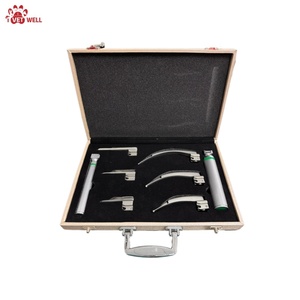
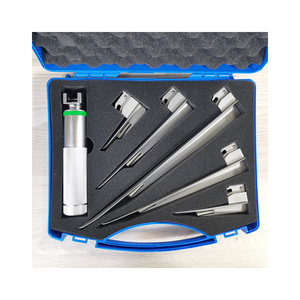
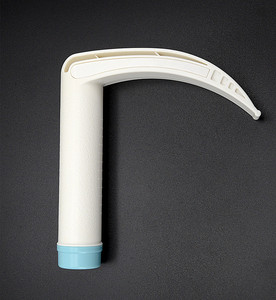
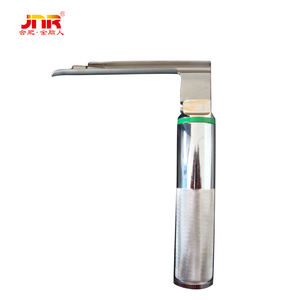
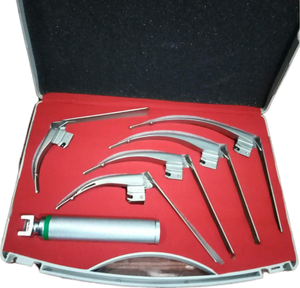
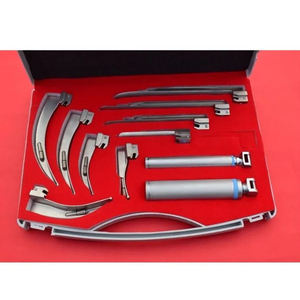
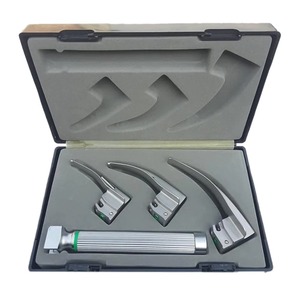
Every instrument tray and cassette is manufactured under DEKRA-audited ISO 13485 QMS and complies with EU MDR 2017/745 Class I medical device regulations, ensuring seamless hospital procurement approval.
We utilize premium AISI 304 and 316L austenitic stainless steel for trays, holloware, and sterilization baskets, along with German AISI 420/440 martensitic steel for delicate cutting tools and latch mechanisms.
Offering private labeling from 300 units per pattern, custom silicone bracket molds, laser marking, and complete export documentation (FDA Establishment Reg: 3019842214) to over 50 countries worldwide.
A comprehensive analysis of material selection, surface passivation, steam penetration fluid dynamics, and CSSD sterilization cassette design for healthcare procurement professionals.
In modern surgical environments, the integrity of instrument sterilization cassettes and trays directly dictates the safety of operating room procedures and the longevity of high-value surgical tooling. As a premier China wholesale instrument tray supplier & exporter, our engineering approach combines precision die-stamping, automated TIG/laser welding, and specialized surface chemical treatment to satisfy stringent international standards including DIN 58952, ISO 17664, and ASTM F1089.
Selecting the optimal alloy for hospital sterilization containers requires balancing corrosion resistance, mechanical strength against structural warping during thermal cycling, and weight ergonomics for Central Sterile Supply Department (CSSD) staff.
| Material Grade | Composition (Cr / Ni / Mo) | PREN Value | Autoclave Resistance | Primary Clinical Application |
|---|---|---|---|---|
| AISI 304 Stainless Steel | 18% Cr / 8% Ni | ~19.0 | Excellent (>3,000 cycles) | Standard mesh baskets, kidney dishes, general surgical trays. |
| AISI 316L Stainless Steel | 16% Cr / 10% Ni / 2.1% Mo | ~25.0 | Superior (>5,000 cycles) | Implant delivery cassettes, heavy orthopedic trays, harsh chemical immersion. |
| Anodized Aluminum (AlMg1) | Aluminum Alloy + Hard Anodize | N/A | Good (Requires neutral pH) | Rigid sterilization container lids, color-coded surgical kits. |
| PPSU (Polyphenylsulfone) | High-Temp Polymer | N/A | Very Good (134°C steam) | Micro-surgical instrument holders, transparent cassette covers. |
Our manufacturing facility utilizes low-carbon AISI 316L stainless steel for heavy-duty sterilization containers due to its added molybdenum content, which provides immunity against pitting corrosion induced by saline solution residues and aggressive enzymatic detergents. The Pitting Resistance Equivalent Number (PREN) of 316L significantly outperforms standard commercial steels, preventing intergranular stress cracking across thousands of steam autoclaving loops.
Raw forged or stamped stainless steel retains microscopic iron particles and surface irregularities that become seed points for oxidation. To guarantee medical-grade performance, all our instrument trays undergo a rigorous multi-stage chemical passivation and electropolishing protocol:
Sterilization efficiency depends on rapid steam penetration and complete condensate evacuation during the vacuum drying cycle. Poorly designed solid trays trap moisture, leading to "wet packs"—a critical sterilization failure mode in CSSD operations.
Our engineered perforation matrix features optimal side-wall and floor perforation ratios (35% to 45% open area) utilizing burr-free chamfered punch holes. This design promotes turbulent steam flow while preventing delicate instrument tips—such as micro-forceps or fiber-optic laryngoscope light guides—from slipping through or suffering mechanical shearing during transport.
Key technological shifts shaping global B2B sourcing strategies for hospital groups, surgical kit packagers, and distributors.
Global regulatory bodies (FDA UDI rule and EU MDR Article 27) are driving hospitals toward 100% asset traceability. Procurement trends show a massive surge in demand for sterilization cassettes pre-fitted with high-temperature RFID tags or direct 2D DataMatrix laser engraving on stainless steel side plates, enabling automated instrument count verification in CSSD software.
Fixed metal rack designs are rapidly being replaced by customizable, medical-grade silicone holding strips. Soft, shore-A 60 durometer silicone inserts absorb mechanical vibration during transit, prevent metal-to-metal friction (which destroys instrument passivation layers), and allow surgeons to reconfigure instrument layouts according to procedure requirements.
To eliminate the recurring cost and environmental footprint of single-use blue polypropylene sterilization wraps, global healthcare systems are transitioning to reusable rigid aluminum/stainless steel container systems fitted with permanent PTFE micro-porous filters, achieving zero waste and guaranteed sterile barrier maintenance during storage.
International surgical guidelines are standardizing packed tray weight limits to a maximum of 25 lbs (11.4 kg) to reduce repetitive strain injuries for perioperative staff. Buyers are prioritizing high-strength, low-weight structural designs—such as ribbed mesh bottoms and lightweight PPSU/alloy hybrids.
Combining forty years of craft heritage with modern CNC milling, laser cutting, and certified quality management systems.
In-house mold making allows us to develop custom tray sizes, unique instrument clips, and branded aluminum lids from customer CAD/STEP files in as little as 14 business days.
Full support for fiber laser marking of customer logos, product part numbers, UDI barcodes, and color-coded anodized lid finishes for clear brand differentiation.
Complete documentation packages supplied with every shipment: Material Test Reports (MTR per EN 10204 3.1), Certificate of Conformity, IFU, and DEKRA-audited ISO 13485 scope certificates.
Answers to common technical, metallurgical, regulatory, and commercial queries raised by medical device buyers and hospital supply officers.
We primarily utilize AISI 304 and AISI 316L austenitic stainless steel for instrument trays, wire baskets, mesh cassettes, and hospital holloware. AISI 304 offers exceptional mechanical strength and robust corrosion resistance for general surgical trays. For environments requiring maximum resistance against chemical agents or heavy saline exposure, we recommend AISI 316L, which includes 2-3% molybdenum content to prevent pitting and crevice corrosion. For cutting instruments and hinges, we utilize German-grade AISI 420 or 440 martensitic stainless steel.
Yes. Our quality management system is certified under ISO 13485:2016 and ISO 9001:2015. All reusable surgical instruments, trays, and sterilization accessories are manufactured as Class I medical devices in accordance with European Union Medical Device Regulation (EU MDR 2017/745) and hold EUDAMED registration. Our facility also holds an active U.S. FDA Establishment Registration (Registration No. 3019842214), permitting seamless import into North American and European healthcare markets.
Our standard MOQ for private label branding and OEM customized instrument trays starts at 300 units per pattern. This includes custom laser etching of your company logo, custom catalogue item numbering, specialized silicone profile layouts, and tailored packaging. For standard catalogue items in stock, smaller trial orders can be accommodated. Contact our export desk to discuss tailored low-volume production runs.
Moisture elimination is engineered into our tray geometries through optimized floor and side-wall perforation matrices (35% to 45% open area) and raised bottom corner feet. This elevates the tray base off flat autoclave shelves, facilitating uninhibited steam circulation, downward condensate drainage, and rapid heat transfer during the post-vacuum drying cycle in steam autoclaves operating at 134°C (273°F).
All stamped, welded, or machined trays undergo ultrasonic alkaline cleaning followed by electropolishing to achieve a smooth surface roughness ($R_a < 0.4\,\mu\text{m}$). Subsequently, trays are chemically passivated in accordance with ASTM A967 standards using nitric or citric acid solutions. This removes free iron particles and forms an impenetrable chromium oxide passive film ($\text{Cr}_2\text{O}_3$), which is verified via 24-hour salt spray testing and boiling water immersion tests (ASTM F1089).
Standard catalog items and pre-forged patterns ship within 7 to 10 working days. Custom OEM tray orders requiring new stamping dies or custom silicone molding are typically produced and dispatched within 10 to 20 working days. We ship globally via expedited air courier (DHL/FedEx/UPS), air freight, or sea containers (FCL/LCL), complete with commercial invoices, packing lists, Certificate of Origin, and Mill Test Certificates (EN 10204 3.1).
Absolutely. We encourage hospital procurement departments, CSSD managers, and medical distributors to request evaluation samples. This allows your technical team to inspect surface finish quality, test silicone clip flexibility, validate autoclave steam penetration, and perform cleaning validation in accordance with ISO 17664 before committing to volume production.
Looking for reliable B2B supply, OEM private labeling, or tender-ready surgical sterilization trays? Connect with our engineering and export team today for factory-direct price quotations within 24 hours.
Contact Us