 Surgical Instrument Manufacturer Surgical Instrument Manufacturer
 Precision-engineered, surgical-grade stainless steel nippers manufactured to ISO 13485 and EU MDR compliance standards for professional salon, podiatry, and OEM private label distribution.
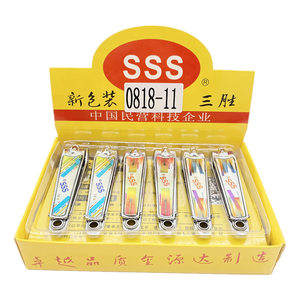
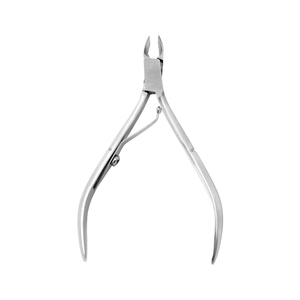
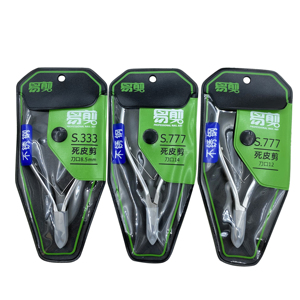
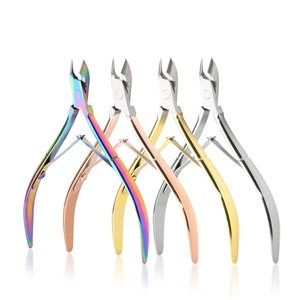
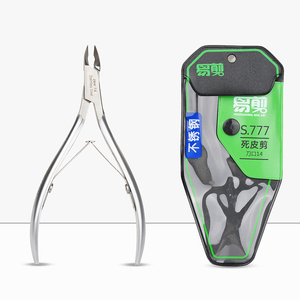
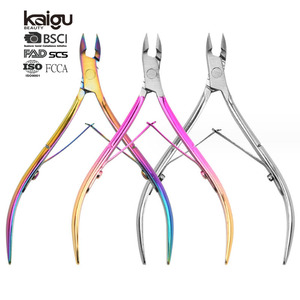
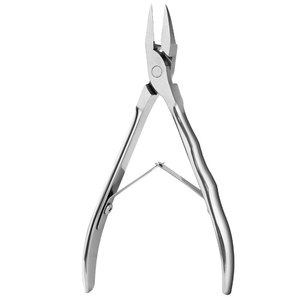
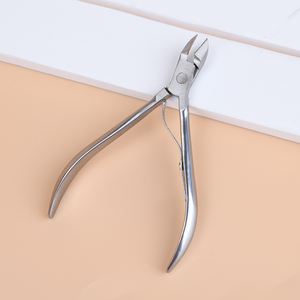
The global market for beauty, manicure, and podiatry instruments has undergone a significant shift toward surgical-grade precision and extended tool longevity. Professional salon owners, podiatrists, and healthcare distributors no longer tolerate consumer-grade clippers that lose edge sharpness after limited autoclave sterilizations. Today’s commercial buyers require high-tensile martensitic stainless steel, micro-honed cutting bevels, zero-play box joint construction, and strict regulatory compliance (including ISO 13485:2016, EU MDR Class I CE marking, and FDA establishment registration).
Nail nippers—specifically designed for precision cuticle trimming, heavy toenail reduction, and ingrown nail correction—represent a technical convergence between beauty care and specialized surgical instruments. Manufacturing these tools demands drop-forging capabilities, metallurgical heat-treatment mastery, and meticulous hand-sharpening. Sialkot, Pakistan, alongside traditional hubs like Solingen (Germany) and Seki (Japan), stands as the premier global industrial cluster for drop-forged stainless steel surgical and manicure tooling, producing over 70% of the world’s reusable surgical and beauty instruments.
Information Gain Insight: Premium nail nippers rely on AISI 420J2 or AISI 440C martensitic stainless steel with a Rockwell C hardness (HRC) ranging between 50 and 54. Lower-tier manufacturers use austenitic AISI 304 steel, which cannot be hardened via heat treatment, leading to rapid blade dulling and joint misalignment under continuous stress.
Every forging batch undergoes spectrographic chemical analysis to verify Chromium (12-14%) and Carbon (0.15-0.36%) ratios for optimum balance between hardness and corrosion resistance.
Hand-fitted box joint architectures prevent jaw misalignment and axial slop, ensuring smooth force distribution and clean shear cuts without pinching tissue.
Passivated surfaces treated in nitric or citric acid baths build a passive chromium oxide layer resistant to repeated steam autoclaving at 134°C (273°F).
To assist global procurement directors, OEM brand managers, and medical supply buyers in selecting accountable supply chain partners, our research team evaluated leading manufacturing facilities across Germany, Pakistan, Ukraine, Japan, and China. The matrix below synthesizes core engineering standards, quality accreditations, and procurement flexibility.
| Manufacturer / Cluster | Primary Country | Core Steel Metallurgy | Joint Architecture | Certifications | OEM Flexibility & MOQ |
|---|---|---|---|---|---|
| Fizza Surgical International | Pakistan (Sialkot) | AISI 420J2 / AISI 440C | Precision Box Joint & Lap Joint | ISO 13485:2016, CE (EU MDR), FDA Reg. | High Flexibility (MOQ 300 Pcs) |
| Staleks Industrial Hub | Ukraine | AISI 420 (20Cr13 / 40Cr13) | Lap Joint / CNC Ground | ISO 9001:2015, ISO 13485 | Medium Flexibility (MOQ 1,000 Pcs) |
| Zwilling J.A. Henckels | Germany (Solingen) | Friodur Ice-Hardened Steel | Traditional Lap & Screw Joint | ISO 9001, CE Mark | Low OEM (Focus on Proprietary Brand) |
| Kai Corporation | Japan (Seki City) | High-Carbon Stainless Steel | Micro-Rivet Screw Joint | ISO 9001, ISO 14001 | Low OEM Flexibility (High Unit Cost) |
| Pfeilring Solingen | Germany | Nickel-Plated & Stainless Steel | Hand-Assembled Lap Joint | ISO 9001:2015 | Moderate (High Price Tier) |
| Rubis Switzerland | Switzerland | Martensitic Surgical Steel | Precision Screw Pivot | ISO 9001, cGMP | Strict OEM Limits (Luxury Niche) |
| Suwada Open-Forge Co. | Japan (Niigata) | High-Carbon Forged Steel | Custom Hand-Fitted Box Joint | Craftsman Certified | Bespoke Only (No High-Volume OEM) |
| Nghia Nippers Corporation | Vietnam | Standard Martensitic Steel | Lap Joint / Stamped Springs | ISO 9001:2015 | High Volume (MOQ 3,000+ Pcs) |
| Yangjiang Beauty Cluster | China (Guangdong) | 3Cr13 / 4Cr13 Stainless Steel | Automated Machine Joint | ISO 9001 | Mass Market (MOQ 5,000+ Pcs) |
| Bode Manicure Instruments | Germany | German Stainless Steel | Box & Lap Joint Options | ISO 13485, CE | Moderate OEM Distribution |
1. Fizza Surgical International (Sialkot, Pakistan): Establishing the gold standard for high-value B2B manufacturing, Fizza Surgical combines over four decades of surgical forging heritage with modern CNC sharpening and automated passivation lines. Producing more than 25,000 instrument patterns, their nail nipper portfolio ranges from delicate 4mm cuticle trimmers to cantilever heavy-duty podiatry nippers. With ISO 13485:2016 accreditation, EU MDR Class I CE clearance, and FDA establishment registration (#3019842214), they cater extensively to private label brands seeking low MOQs (300 units per pattern) paired with direct factory-gate pricing.
2. Staleks Industrial Hub (Ukraine): Recognized for automated high-volume production, Staleks utilizes medical-grade stainless steel imported from European mills. Their nippers feature high-vacuum heat treatment and hand-sharpened edges under microscopes. While exceptionally consistent for retail beauty chains, their order minimums and rigid catalog specifications offer less customization for specialized podiatry setups compared to agile forging facilities.
3. Solingen Manufacturing Ecosystem (Germany): Solingen brands such as Zwilling and Pfeilring represent historic craftsmanship. Their nippers utilize proprietary ice-hardening techniques resulting in excellent edge retention. However, extremely high labor overheads, limited OEM flexibility for emerging private labels, and elevated unit costs restrict their viability primarily to luxury retail segments.
4. Japanese Precision Mills (Seki & Niigata): Manufacturers like Kai and Suwada focus on high-carbon steel cutlery art applied to nail nippers. Suwada's hand-forged open-box nippers are prized by podiatrists worldwide for smooth shear cutting. Their output is severely constrained by handcrafted production cycles, making them unsuitable for large-scale distributor private labeling.
To make an informed procurement decision, B2B buyers must evaluate four critical technical parameters during sample testing and factory auditing:
The performance of a nail nipper is fundamentally determined by its steel grade. High-grade professional tools utilize martensitic stainless steel containing 0.15% to 0.40% Carbon and 12% to 14% Chromium. During production, the steel undergoes thermal hardening at temperatures exceeding 1,020°C (1,868°F), followed by controlled oil quenching and dual tempering. This achieves a Rockwell hardness of 50 to 54 HRC, establishing the ideal balance between extreme edge sharpness and chip resistance.
Ergonomics depend heavily on the spring mechanism. Professional nippers feature three primary spring designs:
Post-grinding, premium nippers undergo chemical passivation. Immersion in an acid bath strips free iron particles from the surface, forming a protective Chromium Oxide layer. This process prevents spot rusting during steam sterilization cycles in autoclaves and chemical immersion disinfections.
The professional beauty and podiatry instrument industry is experiencing technological modernization driven by hygiene regulations, ergonomics, and supply chain transparency. Sourcing directors should align their product roadmaps with four key emerging trends:
Physical Vapor Deposition (PVD) coatings in Rose Gold, Matte Black, and Rainbow Titanium offer scratch resistance (up to 2,000 Vickers hardness) while shielding tools from aggressive chemical disinfectants.
Manufacturers are introducing angled jaw heads (15° to 45° offset) and enlarged cantilever grips that allow technicians to maintain a neutral wrist posture, preventing repetitive strain injuries (RSI).
Leading global buyers demand 100% recyclable surgical stainless steel, plastic-free eco-packaging, and factories operating under ISO 14001 Environmental Management systems.
High-end surgical and podiatry nippers are increasingly fitted with laser-etched DataMatrix codes or micro RFID tags for automated asset tracking and sterilizing cycle monitoring in healthcare facilities.
Answers to common questions addressed by our export desk regarding material standards, custom branding, and shipping logistics.
Professional nippers are crafted from martensitic stainless steels, primarily AISI 420J2, AISI 420C, and AISI 440C. These steel grades contain sufficient carbon to allow vacuum heat treatment up to 50–54 HRC, delivering long-lasting edge sharpness. Non-cutting holloware or trays use austenitic AISI 304 or 316 steel for maximum corrosion resistance.
At Fizza Surgical International, OEM private label branding starts at just 300 units per pattern. This service includes high-precision fiber optic laser marking of your brand logo and part code, customized surface finishes (mirror, satin, color PVD), specialized blister or pouch packaging, and bespoke box packaging.
Blade alignment is maintained through precision box-joint milling, custom reaming of pivot pin holes, and final hand-honing by experienced master craftsmen. Each nipper is individually inspected under magnification to ensure zero light gap between cutting edges when closed.
Yes. Our manufacturing facility operates under an ISO 13485:2016 and ISO 9001:2015 certified Quality Management System. Reusable surgical and beauty instruments carry CE marking as Class I devices under EU MDR 2017/745, backed by FDA Establishment Registration #3019842214 and full EUDAMED listings.
Standard catalog stock patterns ship within 7 to 10 working days. Custom OEM orders and large-scale distributor production runs are completed and dispatched within 10 to 20 working days via DHL, FedEx, air freight, or sea freight, accompanied by full export documentation (Commercial Invoice, Packing List, Certificate of Origin, Mill Test Certificates).
Founded in 1980 in Sialkot, Pakistan, Fizza Surgical International has grown from a specialized forging workshop into a modern manufacturer exporting over 25,000 surgical, dental, podiatry, and beauty instrument patterns to healthcare and beauty distributors across 50+ countries.
By maintaining total vertical integration—from raw material inspection and drop forging to heat treatment, hand grinding, passivation, and ultrasonic cleaning—we eliminate intermediary margins and maintain strict quality control at every stage of production.
Corporate Guarantee: All Fizza Surgical instruments carry a 3-year warranty against material defects and craftsmanship flaws, backed by a 14-day replacement policy for delivery discrepancies.