 Surgical Instrument Manufacturer Surgical Instrument Manufacturer
 Engineered to strict ISO 13485:2016 and EU MDR standards. Directly manufactured in state-of-the-art cleanrooms for optimal edge retention, sterile reliability, and surgical sharpness.
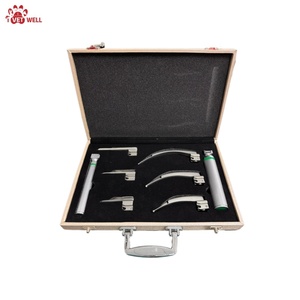
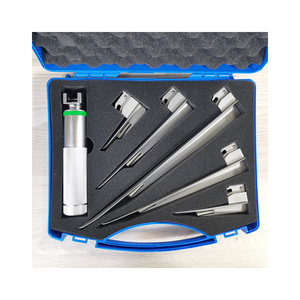
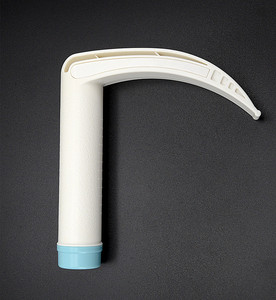
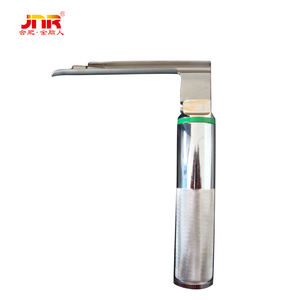
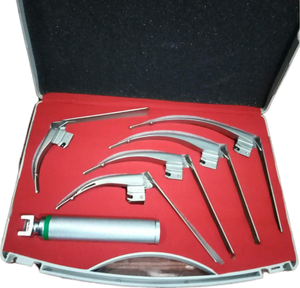
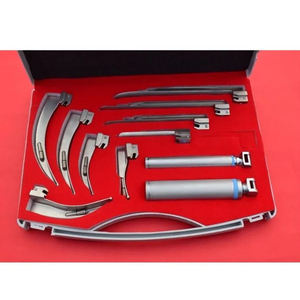
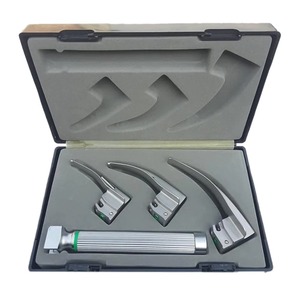
In modern surgical procedures, the scalpel remains the ultimate instrument of incision precision. A difference of micro-millimeters in edge bevel geometry or minor inconsistencies in hardness can dramatically impact tissue drag, incision sharpness, and wound healing outcomes. As global healthcare systems demand higher quality combined with cost efficiency, sourcing directly from top China surgical scalpel manufacturers and factories has become the gold standard strategy for multinational medical distributors, hospital chains, and surgical brand owners.
Leading Chinese medical blade factories integrate ultra-precise automated stamping, multi-stage grinding, electrochemical polishing, and computerized automated optical inspection (AOI) to deliver high-carbon steel and stainless steel scalpels that match or surpass classic European and American brands (such as Swann-Morton or Feather). Through rigorous adherence to international dimensional standards including BS 2982 and ISO 7740, Chinese manufacturers ensure perfect fitment between standardized scalpel handles (#3, #4, #7) and detachable blades (#10, #11, #15, #20, #22, #24).
Understanding raw material selection is essential for medical purchasing teams evaluating factory capabilities. Chinese manufacturing centers leverage premium grade Swedish carbon steel and surgical-grade stainless steel alloys to balance sharpness retention with corrosion defense.
| Material Grade | Hardness Rating (Rockwell) | Tensile Strength (MPa) | Primary Clinical Application | Key Advantage |
|---|---|---|---|---|
| High-Carbon Swedish Steel (T10 / SK2) | HRC 62 – 65 | 1,850 – 2,100 | Dermatology, Ophthalmic Micro-Surgery, Plastic Surgery | Extreme initial sharpness, sub-micron edge radius capability |
| AISI 420Martensitic Stainless Steel | HRC 54 – 58 | 1,600 – 1,800 | General Surgical Incisions, Emergency Trays, Disposable Kits | High resistance to atmospheric moisture and shelf-life oxidation |
| AISI 440CHigh-Grade Stainless Steel | HRC 58 – 61 | 1,900 – 2,050 | Orthopedic Incisions, Cardiovascular, Specialized Procedures | Superior edge retention paired with robust chemical corrosion defense |
| AISI 316L (Handles & Reusable Scalpels) | HRB 85 – 95 | 620 – 780 | Reusable Ergonomic Scalpel Handles (#3, #4, Fitments) | Maximum resistance to repeated steam autoclave cycles (134°C) |
Our OEM partner manufacturing lines employ zero-decarburization vacuum heat treatment furnaces. This guarantees uniform crystalline microstructures across millions of blades, eliminating brittle fracture risks during tough skin or cartilage transsections.
Utilizing multi-axis CNC grinding machines paired with laser interferometer monitoring to achieve micro-bevel symmetry and ultra-smooth cutting performance across every blade series.
Industrial Cobalt-60 Gamma Irradiation (25 kGy) and Ethylene Oxide (EO) sterilization cycles validated under ISO 11137 and ISO 11135, guaranteeing a Sterility Assurance Level (SAL) of 10⁻⁶.
Laser engraving of custom logos, custom blade profiles, color-coded handles, sterile aluminum foil packaging, and GS1-compliant UDI barcode integration for seamless inventory tracking.
The global market for surgical scalpels and disposable cutting instruments is undergoing rapid technological and regulatory evolution. B2B procurement managers must align their supply chain strategies with these critical technical shifts:
Sharps injuries remain one of the most critical occupational hazards in hospital operating rooms. Regulatory mandates—such as the US OSHA Bloodborne Pathogens Standard and EU Directive 2010/32/EU—are accelerating the shift from traditional detachable scalpels toward Safety Scalpels featuring integrated protective sheaths. Modern Chinese factories lead this trend, offering single-handed retract mechanisms that lock the blade securely before disposal, drastically reducing accidental needle-stick and cut injuries during instrument pass-offs.
To reduce tissue dragging and minimize cellular trauma, next-generation surgical scalpels utilize sub-micron functional coatings. Diamond-Like Carbon (DLC) coatings lower the friction coefficient of carbon steel blades to under 0.1, preventing tissue adhesion during precise plastic and reconstructive surgery. Meanwhile, anti-glare matte PVD coatings eliminate bright glare under high-intensity operating theatre lighting, improving surgeon control and accuracy.
Traditional manual blade insertion into foil pouches introduces risk of minor edge touching, which can degrade sharpness prior to use. Top Chinese factories have fully automated their packaging halls using high-speed pick-and-place robotics and ultrasonic foil sealing. This ensures the blade edge never contacts packaging materials, maintaining pristine factory sharpness until the pouch is peeled open in the operating room.
With healthcare systems committing to decarbonization and plastic reduction, leading medical device manufacturers are transitioning to recyclable medical-grade paper-poly packaging and biodegradable blister tray polymers without compromising sterile barrier integrity (ISO 11607).
Direct technical and commercial answers provided by senior biomedical engineers and international regulatory specialists.
Carbon steel scalpels offer higher hardness (HRC 62-65) and can be ground to a finer edge radius (<0.5 microns), delivering exceptional initial incision sharpness preferred in delicate microsurgery and plastic surgery. Stainless steel scalpels (AISI 420/440C, HRC 54-58) provide superior corrosion resistance and longer shelf-life, making them ideal for standard hospital procedures, humid storage conditions, and emergency surgical kits.
All certified Chinese manufacturers strictly follow international standards BS 2982 and ISO 7740. Blade fitment slots (Small Fitment for handles #3, #3L, #7, #9 and Large Fitment for handle #4, #4L) undergo 100% optical gauge testing during production to guarantee perfect, wobble-free engagement with standard scalpel handles worldwide.
Standard factory MOQ for private label OEM branding starts at 10,000 units per blade size for customized foil pouch packaging. For standard white-box neutral packaging or existing inventory, orders starting from 1,000 to 5,000 units can be accommodated for international distributors.
Reputable medical factories must hold ISO 13485:2016 certification audited by accredited notified bodies (e.g., DEKRA, TÜV SÜD). Products bound for the European Union require CE Marking under EU MDR 2017/745 (Class I or Class IIa sterile), while exports to the United States require FDA 510(k) clearance or Establishment Registration (Owner/Operator Number) with device listing.
Sterile scalpels are individually sealed in peelable aluminum foil or medical-grade blister packs (VCD sealed). Batches undergo rigorous micro-leakage testing, dye penetration tests (ASTM F1929), and bioburden testing. Sterilization processes (Gamma or EO) are validated to ensure a Sterility Assurance Level (SAL) of 10⁻⁶ with a typical shelf life of 5 years.
Blades #10, #11, #12, and #15 feature the small fitment slot and fit Handle #3, #3L, #7, and #9. Blades #20, #21, #22, #23, #24, and #25 feature the large fitment slot and fit Handle #4 and #4L. Specialized micro-blades (#61-#69) use dedicated micro-handles.
Leading facilities use multi-stage electrochemical deburring combined with ultrasonic fluid cleaning to remove microscopic steel particles. Final inspection involves automated optical vision systems (AOI) that scan 100% of blade edges under magnification to reject any edge burrs, notches, or tip deformities.
Standard catalog blades ship in 7 to 10 working days. Full OEM customized production orders (including custom foil printing and multi-language inner cartons) typically require 15 to 25 working days. Air freight via DHL/FedEx or sea container shipping is fully supported with complete export documentation (Certificate of Analysis, Declaration of Conformity, Bill of Lading).
Whether you are establishing a new surgical brand, expanding hospital supply channels, or tendering for government medical procurement, our engineering team provides direct factory support, competitive bulk pricing, and rapid sample prototyping.