 Surgical Instrument Manufacturer Surgical Instrument Manufacturer
 Explore our certified ISO 13485:2016 and CE MDR compliant instruments forged for clinical longevity, surgical ergonomics, and high-volume veterinary performance.


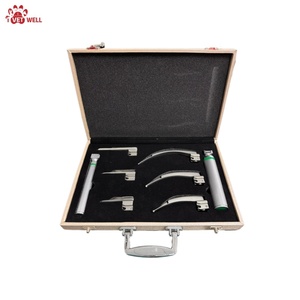
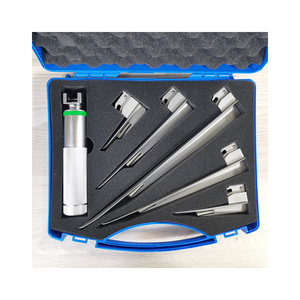
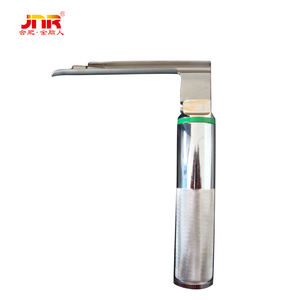
In modern intensive livestock farming, ruminant healthcare, and commercial dairy operations, oral bolus administration remains the definitive delivery mechanism for sustained-release vitamins, anti-parasitic pharmaceuticals, rumen magnets, and rehydration therapies. The balling gun (also designated as a bolus applicator or oral doser) is the critical mechanical conduit between veterinary intervention and animal gastroenterology. However, despite its widespread clinical reliance, procurement directors, veterinary pharmaceutical brand owners, and global distributors frequently encounter supply chain friction: premature mechanical rod failure, esophageal ulceration caused by sharp head burrs, chemical degradation from stomach acid exposures, and inconsistent tolerances across OEM production batches.
Evaluating the market landscape of top trusted balling gun manufacturers and factories demands a comprehensive understanding of bio-compatible metallurgy, mechanical spring elasticity, esophageal anatomical safety, and manufacturing quality control systems. This industry whitepaper delivers an authoritative analysis of global sourcing standards, direct-from-factory manufacturing in key surgical forging hubs like Sialkot, Pakistan, the evolution of soft-tip hybrid applicators, and step-by-step guidance for contract OEM buyers aiming to maximize information gain and product margins.
Resists corrosive digestive fluids, acidic rumen juice (pH 5.5-6.5), and harsh chemical autoclaving routines without pitting or oxidation.
Tempered stainless internal springs engineered for over 50,000 compression cycles without tension loss or plunger binding.
Smoothly bevelled cups, silicone/vinyl soft tips, and deburred metal edges prevent pharyngeal lacerations and esophageal perforation.
The global production of high-precision stainless steel veterinary equipment relies heavily on specialized manufacturing hubs. Chief among these is Sialkot, Pakistan, a world-renowned cluster that supplies an immense percentage of international reusable surgical instruments, dental forceps, and veterinary hard goods. Established in 1980, Fizza Surgical International represents the apex of this forging heritage, operating a fully integrated, single-facility footprint that encompasses die forging, CNC milling, manual grinding, heat treatment, electrolytic passivation, and ISO 13485:2016 quality management.
Unlike trading intermediaries who consolidate white-label products from untraceable cottage workshops, an authentic OEM factory maintains batch-level material traceability. Reusable balling guns, laryngoscopes, and bone surgery forceps manufactured under these rigorous protocols utilize German-grade AISI 304 (austenitic) and AISI 420/440 (martensitic) stainless steel. Every piece undergoes ultrasonic cleaning, salt spray testing (ASTM B117 standards), and strict dimensional checks matching DIN specifications before receiving CE marking under EU MDR 2017/745 Class I device guidelines.
When selecting balling gun hardware for commercial distribution or institutional procurement, choosing the appropriate alloy and design architecture directly influences operational lifespan and animal safety. The comparison matrix below outlines key engineering trade-offs:
| Engineering Attribute | German Stainless Steel (AISI 304/316) | Nickel-Plated Heavy Brass | Polycarbonate / Vinyl Hybrid |
|---|---|---|---|
| Corrosion Resistance | Maximum (Resists Acids & Autoclaving) | Moderate (Plating Wears Over Time) | High (Chemical Resistant, Heat Sensitive) |
| Mechanical Tensile Strength | Ultra-High (Will Not Bend under Bite Force) | High (Rigid Body Structure) | Medium (Flexible under Excessive Pressure) |
| Esophageal Trauma Risk | Ultra-Low (When Micro-Polished / Soft-Tip) | Low to Moderate (Weight Factor) | Extremely Low (Flexible Polymer Head) |
| Sterilization Cycles | Unlimited Autoclave & Dry Heat | Standard Chemical / Cold Soak | Limited Chemical Cold Sterilization |
| Best Application Field | Commercial Bovine & Clinical Surgery | General Farm Dosing & Rumen Magnets | Calves, Sheep, Goats & Small Ruminants |
| Operational Lifespan | 10+ Years Heavy Duty Service | 3 to 5 Years Active Service | 1 to 2 Years Disposable / Replacement |
The global livestock equipment market is undergoing rapid evolution driven by animal welfare regulations, precision agriculture technologies, and supply chain consolidation. Procurement officers and B2B buyers must align their multi-year purchasing strategies with several emerging industry trends:
Regulatory bodies across the EU and North America are placing elevated scrutiny on farm management practices that risk tissue trauma. Traditional all-metal balling guns, while virtually indestructible, present minor risks of pharyngeal tearing if handled roughly by untrained farm hands. The market is shifting rapidly toward hybrid balling guns featuring a rigid stainless steel push-shaft paired with a replaceable medical-grade silicone or flexible vinyl tip. This design retains mechanical rigidity during insertion while providing a cushioned interface for sensitive pharyngeal tissue.
With the integration of electronic identification (EID) and bolus-based biometric sensors that monitor internal rumen temperature and pH levels, the physical dimensions of agricultural boluses have expanded. Leading manufacturers now offer balling guns with modified multi-stage retention clips and enlarged cup diameters (up to 35mm ID) engineered specifically to deploy fragile RFID electronic capsules without cracking their ceramic exterior coatings.
Traditional procurement models relied heavily on regional trading companies and secondary wholesalers, adding a 30% to 50% cost markup while obscuring component origin. Modern veterinary brand managers and agricultural cooperative buying groups are establishing direct sourcing agreements with ISO 13485 certified manufacturers in Sialkot. By leveraging direct factory communication, buyers secure custom laser-etched catalogue numbers, specialized color-coded handles, and custom-tailored packaging—drastically reducing cost-per-unit while guaranteeing strict metallurgical compliance.
To appreciate modern manufacturing standardizations, it is illuminating to trace the historical progression of oral dosing hardware in veterinary medicine:
As veterinary medicine converges with high-tech livestock management, top-tier factories are investing heavily in automated CNC machining, robotic polishing cells, and non-destructive material testing (NDT) to ensure that every plunger rod operates with frictionless fluidity and absolute structural safety.
Below are expert answers to technical, regulatory, and commercial questions frequently fielded by our engineering export desk:
For long-term clinical durability, the main outer shaft and plunger push-rod should be forged from AISI 304 (austenitic) stainless steel due to its exceptional resistance to organic acids and moisture. For internal springs or trigger locking catches where high tensile strength and hardness are required, heat-treated AISI 420 martensitic steel is deployed.
Esophageal injury is minimized by specifying balling guns with chamfered, highly polished cup rims or soft vinyl heads. Furthermore, operators should utilize applicators equipped with spring-tensioned plunger stops that prevent the inner metal rod from extending past the protective rim of the holding cup during expulsion.
At Fizza Surgical International, custom OEM private label production—including custom laser-engraved logos, specialized handle knurling, branded retail packaging, and customized barrel lengths—starts at a low threshold of 300 units per pattern.
Importers should ensure their manufacturing partner maintains an ISO 13485:2016 certified Quality Management System (audited by accredited notified bodies like DEKRA). Devices intended for clinical surgical use must be CE marked under EU MDR 2017/745 Class I rules, listed on EUDAMED, and registered with the US FDA (Facility Establishment Reg #3019842214).
Standard catalog items ship within 7 to 10 business days. Custom OEM orders, volume tenders, or private-label production runs generally require 10 to 20 business days for complete manufacturing, passivation, laser marking, final AQL inspection, and air/sea freight dispatch.
Whether you require custom OEM private label production, high-volume tender fulfillment, or certified veterinary instruments, our engineering team in Sialkot is ready to deliver precision quality.