 Surgical Instrument Manufacturer Surgical Instrument Manufacturer
 Explore our high-performance German-grade stainless steel orthopedic bone chisels, osteotomes, and surgical intubation assemblies manufactured under strict ISO 13485:2016 quality controls.
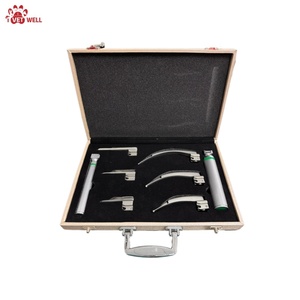
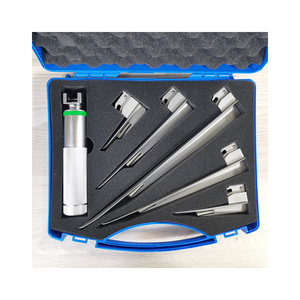
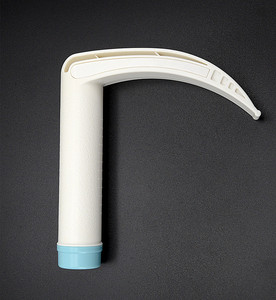
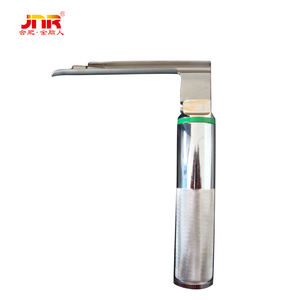
A comprehensive technical insight into steel metallurgy, manufacturing tolerances, clinical intent mapping, and strategic global sourcing for medical procurement directors and hospital tenders.
In modern orthopedic, rhinoplasty, maxillofacial, and spinal surgeries, the mechanical reliability of bone-cutting instruments directly dictates clinical outcomes and surgeon control. Bone chisels, osteotomes, and gouges operate under continuous mechanical impacts, lateral torque, and intense friction against cortical bone tissue. Selecting verified suppliers capable of maintaining metallurgical precision across batch runs is critical for health systems and distributor brands.
Top trusted bone chisel suppliers rely on surgical-grade martensitic stainless steels—specifically AISI 410 (1.4006), AISI 420 (1.4021/1.4028), and AISI 440A/C. Martensitic grades undergo specialized vacuum heat treatments to achieve Rockwell Hardness levels ranging between HRC 48 and HRC 54. This specific hardness window ensures that the cutting edge remains ultra-sharp without micro-chipping under heavy mallet blows, while retaining sufficient ductility to prevent catastrophic brittle fractures during intra-operative force application.
Information Gain Insight: The core structural difference between a bone chisel and an osteotome lies in its bevel geometry. A bone chisel features a single-bevel cutting edge designed specifically for scraping, shaving, and contouring bone surfaces along a single directional line. Conversely, an osteotome features a double-bevel (biconcave or flat bi-beveled) edge that splits and cuts straight into cortical and cancellous bone structures without deflecting directionally.
Furthermore, surface treatment plays a pivotal role in instrument longevity and infection control. Standard procedures utilize chemical passivation (in accordance with ASTM F899 and ISO 7153-1 guidelines) via nitric or citric acid solutions. Passivation strips free iron molecules from the instrument surface, forming an impenetrable, self-healing chromium oxide layer ($\text{Cr}_2\text{O}_3$). This prevents pitting corrosion, stress corrosion cracking (SCC), and galvanic degradation during repeated autoclave sterilizations at $134^\circ\text{C}$.
Procurement teams must evaluate supplier catalogs against specific surgical procedures to ensure ergonomic balance, force vector alignment, and tissue safety. Below is a structural mapping of primary bone-cutting patterns manufactured by premier global exporters:
Widely specified in plastic, reconstructive, and nasal septal surgeries. Features ultra-fine metric calliper graduations (2mm to 12mm blade widths) with guarded cross-bars to prevent accidental soft-tissue penetration during delicate rhinoplasty osteotomies.
Heavy-duty, flat, and curved osteotomes designed for orthopedic trauma, joint reconstruction, and hip/knee arthroplasty. Available in wide blade widths (up to 38mm) engineered to withstand high-energy impacts from heavy surgical mallets.
Deep-channeled u-shaped curved cutting tools utilized for excavating bone grafts, clearing infected osseous cavities, and preparing cortical bone beds for orthopedic screw and plate fixation.
Understanding raw material specifications allows hospital purchasing officers and B2B buyers to audit manufacturer compliance effectively. The table below outlines standard metallurgical parameters used in high-grade surgical bone instrument manufacturing:
| Steel Grade Standard | Hardness Range (HRC) | Primary Clinical Application | Corrosion Resistance | Autoclave Cycle Endurance |
|---|---|---|---|---|
| AISI 420A / 1.4021 | 48 – 52 HRC | General Orthopedic Chisels & Gouges | High (Passivated) | 2,500+ Sterilization Cycles |
| AISI 420C / 1.4028 | 52 – 55 HRC | Micro-Rhinoplasty & ENT Osteotomes | Very High | 3,000+ Sterilization Cycles |
| AISI 440C / 1.4125 | 56 – 60 HRC | High-Precision Micro-Cutting Chisels | Superior | 3,500+ Sterilization Cycles |
| AISI 304 / 1.4301 | Non-Hardened (Austenitic) | Holloware Trays, Handles & Storage Boxes | Maximum | 5,000+ Sterilization Cycles |
The global marketplace for bone chisels and orthopedic instruments is undergoing a dramatic evolution driven by regulatory changes, sustainability requirements, and technological innovation. B2B buyers must align with forward-thinking exporters capable of addressing these strategic trends:
A. Regulatory Tightening under EU MDR 2017/745 & FDA UDI Mandates: Health authorities in Europe and North America have reclassified many reusable surgical instruments under stricter Class I and Class IIa regulatory regimes. Reputable exporters must maintain complete technical documentation, including Unique Device Identification (UDI) laser markings directly etched onto instrument shafts, bi-directional lot traceability, and biocompatibility safety profiles (ISO 10993).
B. Transition Toward Black PVD & Titanium Nitride (TiN) Coatings: To extend edge life and mitigate intra-operative glare under intense surgical theater lighting, premium bone chisels are increasingly specified with Physical Vapor Deposition (PVD) coatings. Titanium Nitride (TiN) and Diamond-Like Carbon (DLC) surface treatments elevate micro-hardness beyond 70 HRC, reducing friction co-efficients during bone penetration and preserving cutting geometry up to 400% longer than plain stainless steel.
C. Sustainability & Circular CSSD Sterilization Protocols: Global hospital networks are prioritizing reusable carbon-neutral procurement models over single-use plastic alternatives. Quality-forged German stainless steel chisels designed for infinite reprocessing reduce hospital bio-hazardous waste stream footprints while delivering lower total cost of ownership (TCO) across 5-to-10-year service lifespans.
As a global hub for surgical instrument manufacturing, Sialkot, Pakistan supplies over 70% of the world's hand-held reusable surgical instruments. At the forefront of this industrial cluster is Fizza Surgical International (established in 1980), operating a fully integrated manufacturing facility that bridges traditional craftsmanship with modern CNC machining technology.
Audited by independent notified bodies (DEKRA), verifying rigorous quality management across hot die drop-forging, precision milling, heat treatment, and manual polishing phases.
Turnkey OEM branding from low minimum order quantities (300 units per pattern). Includes custom laser etching, barcode tagging, custom ring color-coding, and custom packaging artwork.
Exporting to more than 50 countries across North America, the European Union, the Middle East, and Asia-Pacific with comprehensive export documentation (FDA Establishment Reg #3019842214).
By controlling every step of production—from raw steel billet verification to final optical dimensional inspection—Fizza Surgical guarantees that every bone chisel delivered meets stringent DIN and ASTM dimensional tolerances. This eliminates intermediary trading markups and provides hospital buyers and regional distributors with authentic factory-direct pricing backed by a solid 3-year warranty on surgical sets.