 Surgical Instrument Manufacturer Surgical Instrument Manufacturer
 Manufactured under ISO 13485:2016 standards with German-grade stainless steel, heat-treated for maximum torque resistance, jaw alignment, and extended autoclave durability.
Engineered with diamond-honed Tungsten Carbide cutting edges. Safely shears archwires flush to the buccal tube while retaining the cut end.
Versatile utility architecture featuring precision-matched cross-serrations. Ensures non-slip grip on archwires during placement and removal.
Designed for precise loop forming and wire contouring. Round cone tip and pyramid beak offer high geometric accuracy without scoring wire.
High-leverage leverage design fitted with heat-resistant synthetic pad for patient comfort. Effortlessly pops posterior molar bands.
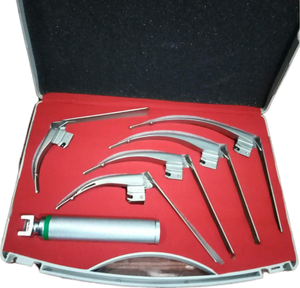
Precision-ground wedge tips slip effortlessly under bracket flanges. Distributes uniform pressure for stress-free enamel debonding.
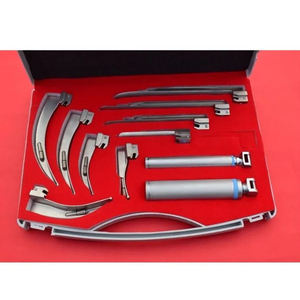
Quick-release spring mechanism with TC serrated tips. Designed for swift elastomeric module application and steel ligature twisting.
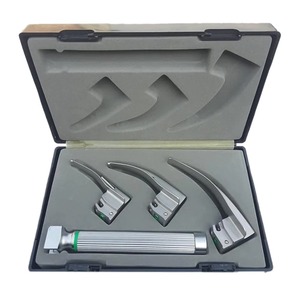
Allows localized labial or lingual torque placement on rectangular archwires without distorting adjacent wire segments.
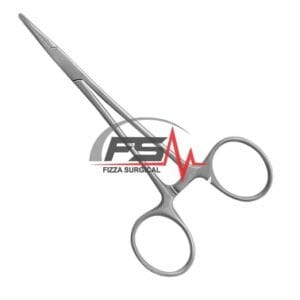
Complete clinic setup packaged in a sterilizing cassette tray. Includes cutters, benders, utility pliers, and debonding instruments.
In the contemporary global dental and clinical instrument marketplace, selecting verified Orthodontic Pliers Factories & Suppliers is a critical decision that dictates clinical precision, sterilization endurance, operating room safety, and long-term procurement ROI. Orthodontic pliers represent a unique subset of surgical hand instruments—demanding an extraordinary balance between high-tensile torque strength, extreme tip hardness (to manipulate titanium and stainless steel archwires up to .022" x .028"), and flawless corrosion resistance against repeated high-temperature autoclave processing cycles.
For hospital supply chain officers, OEM brand owners, and medical device distributors, sourcing directly from audited, accountable manufacturing hubs—such as Sialkot’s premier medical instrument cluster—offers an unrivaled strategic edge. This technical evaluation details the metallurgical parameters, manufacturing workflows, and regulatory benchmarks that define top-tier orthodontic instrument manufacturing.
The operational longevity of an orthodontic plier is fundamentally governed by its chemical alloy composition and thermal treatment protocols. Premier factories utilize specialized surgical-grade stainless steels imported to meet precise DIN (Deutsches Institut für Normung) and ASTM International standards:
AISI 420 Martensitic Stainless Steel: Widely utilized for plier shanks and utility jaws, AISI 420 contains approximately 12–14% Chromium and 0.15–0.40% Carbon. When subject to precision forging and quench-hardening, it yields exceptional mechanical strength, flexural rigidity, and resistance to stress-corrosion cracking during wire-bending maneuvers.
AISI 440C High-Carbon Stainless Steel & Micro-Grain Tungsten Carbide: For hard wire cutters and distal end cutting edges, top factories weld or vacuum-braze AISI 440C or Tungsten Carbide (WC-Co alloy) inserts into the plier tips. Featuring Rockwell hardness values reaching HRC 60–62, these inserts maintain diamond-honed cutting geometry through tens of thousands of cycles without dulling or jaw alignment distortion.
| Steel Grade / Material | Hardness Rating (HRC) | Primary Clinical Application | Corrosion Resistance | Autoclave Life Expectancy |
|---|---|---|---|---|
| AISI 420 Martensitic | HRC 48 – 52 | Utility Pliers, Weingart, Band Removers | High (Passivated) | 1,200+ Cycles |
| AISI 440C High-Carbon | HRC 56 – 58 | Light Wire Benders, Adams Pliers | Very High | 1,500+ Cycles |
| Tungsten Carbide Inserts | HRC 60 – 64 | Distal End Cutters, Hard Wire Cutters | Exceptional | 2,000+ Cycles |
| AISI 304/316 Austenitic | HRC 25 – 30 | Sterilization Trays & Cassettes | Maximum | 3,000+ Cycles |
The manufacturing architecture at leading facilities integrates closed-die drop forging, computer-controlled 5-axis milling, surface passivation, and rigorous multi-stage quality control. Key manufacturing milestones include:
Precision Hot Forging & Annealing: Raw stainless steel billets are heated to optimal forging temperatures (1050°C - 1150°C) and forged in custom die sets to establish dense grain boundaries. This eliminates structural porosity and guarantees maximum resistance against handle fracture under heavy hand pressure.
Chemical Passivation & Electrochemical Polishing: Per ASTM A967 and ISO 16061 standards, fully assembled pliers undergo nitric or citric acid bath passivation. This process dissolves free iron particles from the surface, forming a self-healing Chromium Oxide (Cr₂O₃) protective layer that prevents pitting, spotting, and rust formation during CSSD (Central Sterile Supply Department) processing.
Combining 40+ years of forging heritage in Sialkot, Pakistan with internationally accredited quality management systems.
Our Quality Management System is audited by DEKRA and fully certified under ISO 13485:2016 and ISO 9001:2015. All instruments are CE marked under EU MDR 2017/745 (Class I medical devices).
Eliminate middleman markups. As a direct manufacturer operating since 1980, we manage die forging, grinding, assembly, polishing, and packing under one accountable roof.
We hold active FDA Establishment Registration (Registration #3019842214) with EUDAMED listing, ensuring seamless customs clearance for North American and European distributors.
Custom private labeling starts at just 300 units per pattern. Features high-precision fiber laser marking, custom SKU numbering, ring color-coding, and custom packaging artwork.
Stock catalog patterns ship in 7–10 business days. OEM custom production runs are completed in 10–20 days with express DHL/FedEx, air, or ocean freight support.
All surgical-grade instrument sets are backed by a comprehensive 3-year warranty covering manufacturing defects, material failure, and jaw misalignment.
Key technological shifts and compliance imperatives shaping B2B instrument procurement over the next decade.
Modern clinical practices demand sub-millimeter precision when cutting ultra-hard nickel-titanium (NiTi) and beta-titanium archwires. Sourcing trends favor factories using vacuum induction brazing with micro-grain Cobalt-Tungsten alloys, which completely eliminates insert delamination during ultrasonic bath agitation and high-temperature autoclaving.
Under EU MDR 2017/745 and US FDA regulations, medical devices must bear Unique Device Identification (UDI) laser barcodes directly on the plier shank. Leading suppliers now offer high-density 2D DataMatrix laser etching to facilitate hospital asset tracking, automated CSSD inventory management, and digital traceability.
Orthodontists perform hundreds of wire-bending torque adjustments daily, making repetitive strain injuries (RSI) a significant concern. Procurement teams are prioritizing hollow-handle designs, contoured palm grips, and balanced pivot joints that reduce hand fatigue by up to 25% while maintaining structural rigidity.
Enterprise healthcare buyers are increasingly enforcing ESG (Environmental, Social, and Governance) parameters in vendor tenders. Top factories are responding with closed-loop steel recycling programs, eco-friendly passivation chemical recovery systems, and recyclable sterilizer-ready packaging.
Clear, actionable answers regarding metallurgy, minimum order quantities, compliance documentation, and private label support.
Our reusable orthodontic pliers are forged predominantly from German-grade AISI 420 and AISI 440C martensitic stainless steel. Cutting instruments (such as distal end cutters and hard wire benders) feature vacuum-brazed micro-grain Tungsten Carbide (TC) inserts (HRC 60–64) for maximum edge retention. Non-cutting utility instruments utilize hardened AISI 420 (HRC 48–52) for optimal flexural strength and corrosion resistance.
Custom OEM private label production starts at 300 units per individual pattern. This service includes customized fiber laser marking of your brand logo and catalog numbers, ring color-coding, customized pouch/box packaging, and technical documentation support. Consolidated multi-pattern order packages can be arranged for regional distributors.
Yes. Our manufacturing quality system is fully certified to ISO 13485:2016 and ISO 9001:2015. Our reusable orthodontic and surgical hand instruments are CE marked as Class I devices under EU MDR 2017/745 with EUDAMED listings. Additionally, our manufacturing facility maintains active US FDA Establishment Registration (#3019842214).
Every instrument undergoes chemical passivation per ASTM A967 and ISO 16061 standards, removing surface free-iron particles to establish a protective chromium oxide layer. Pivot joints are fitted with precision stainless steel rivets and lubricated with medical-grade, autoclave-safe synthetic grease to ensure smooth action and eliminate joint binding or rust formation.
Standard catalog items ship within 7–10 working days. Custom OEM orders and large tender contracts are manufactured and dispatched within 10–20 working days via DHL, FedEx, air freight, or ocean freight. Full export documentation—including commercial invoice, packing list, Certificate of Origin, and Declaration of Conformity—is included with every shipment.
Yes. Qualified medical device distributors, hospital purchasing groups, and dental chain buyers can request sample instruments for clinical testing, sterilizer validation, and ergonomic evaluation prior to finalizing production contracts.
Request our complete 25,000+ medical instrument catalog, schedule factory audit reviews, or discuss custom private-label manufacturing requirements with our export team.