
Bainbridge Supreme Geared Cup Dehorner
- High-Torque Gear Ratio for Calves & Yearlings
- Tempered Drop-Forged Steel Blades
- Minimal Effort Mechanics for Mass Herds
 Surgical Instrument Manufacturer
 Forged from High-Grade AISI 420 Martensitic Stainless Steel for Superior Mechanical Leverage, Rust Resistance, and Longevity in Harsh South African Dip-Tank and Feedlot Environments.


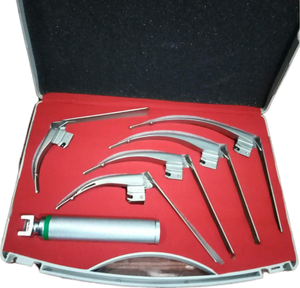
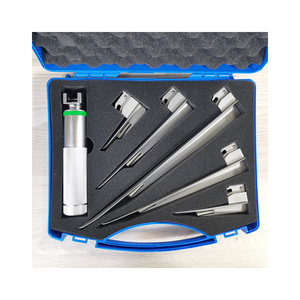
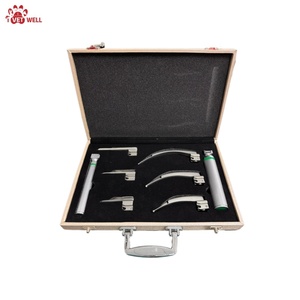
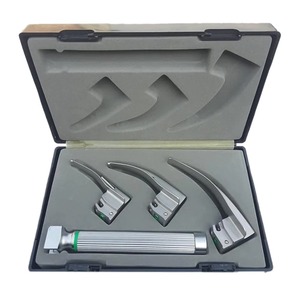
In South Africa's intensive beef feedlot sectors—such as those operating across the Highveld, Free State, and North West provinces—as well as extensive pastoral stud farming in Limpopo and the Karoo, cattle management requires high standards of animal welfare, operator safety, and herd productivity. Horn management remains a pivotal operational parameter for commercial cattle operations, directly influencing carcass valuation at Red Meat Abattoir Association (RMAA) graded facilities.
Effective dehorning relies on removing the corium—the ring of specialized skin surrounding the base of the horn bud responsible for horn growth. Selecting the appropriate tool according to the anatomical age of the animal is critical to minimize tissue necrosis, hemorrhage, and frontal sinus exposure.
| Dehorning Tool Type | Optimal Age Range | Anatomical Target | Mechanical Advantage / Principle | Recommended Breeds in SA |
|---|---|---|---|---|
| Thermal Cautery Iron | 1 – 8 Weeks | Horn Bud Corium | Direct Heat Coagulation (450°C–600°C) | Dairy (Holstein/Jersey), Bonsmara Calves |
| Geared Cup Dehorner | 2 – 10 Months | Subcutaneous Horn Matrix | Compound Gear Leverage (4.5:1 ratio) | Brahman Cross, Simmentaler, Beefmaster |
| Barnes Double-Action | 3 – 12 Months | Horn Base & Skin Ring | Dual Cutting Edge Scoop Action | Commercial Angus, Afrikaner Yearlings |
| Guillotine / Heavy Shear | Yearlings & Adults | Keratinized Horn Core | Linear Blade Shear Force | Mature Stud Bulls, Cull Cows |
| Dehorning Saw Wire | Mature Adults (> 12m) | Hardened Bone Structure | Frictional Thermal Cutting Wire | Emergency Tip Trimming & Inverted Horns |
South Africa presents diverse ecological micro-climates that impact post-dehorning recovery and infection vectors:
In humid regions of Mpumalanga, Limpopo, and KwaZulu-Natal, summer dehorning carries high blowfly (Chrysomya bezziana) strike risks. Cauterizing irons and geared cup dehorners with precise tissue margin cutting prevent open sinus wounds, facilitating rapid scab formation before fly season peaks.
Extensive extensive grazing of Afrikaner and Nguni cattle in dry climates involves handling large, tough horn structures. Heavy-duty stainless steel cup dehorners with hardened AISI 420 cutting edges resist abrasive dust wear while providing high leverage in remote crush pens.
Large feedlots process hundreds of calves daily. Speedy execution, minimal bleeding, and mechanical durability are mandatory. FSI Bainbridge-style geared cup dehorners reduce operator arm fatigue over extended crush-runs.
As an established manufacturer based in Sialkot, Pakistan, Fizza Surgical International (FSI) crafts veterinary instruments utilizing cold-forged and hot-drop-forged German stainless steel bars. Cutting instruments undergo controlled vacuum heat treatment to achieve a Rockwell C Hardness (HRC) of 52-54, striking an ideal balance between razor-sharp edge retention and impact toughness.
Direct Answers for Livestock Cooperatives, Commercial Farmers, Agricultural Supply Wholesalers, and Veterinary Importers across Southern Africa.
Veterinary instruments and dehorning equipment typically enter South Africa under HS Code 8205.59 (Hand tools) or HS Code 9018.90 (Medical & Veterinary Instruments). Under standard SARS tariffs, medical/veterinary hand tools from ISO-certified factories benefit from low or zero duty rates, with standard 15% VAT applied at entry. FSI supplies full export documentation including Commercial Invoice, Packing List, Bill of Lading, Certificate of Origin, and ISO 13485 Compliance Certificates to ensure smooth clearance at Durban Port, Cape Town, or OR Tambo International Airport.
South African welfare standards and the South African Veterinary Council (SAVC) emphasize minimizing pain and tissue trauma during disbudding and dehorning. FSI geared cup and cautery dehorners are designed to make clean, fast cuts that reduce tissue crushing, support local anesthesia application (cornual nerve blocks), and minimize post-operative bleeding.
Yes. FSI provides OEM private label services for agricultural supply houses, veterinary buying groups, and co-ops (such as TWK, Senwes, BKB, NTK, and GWK). We offer custom laser marking for logos, custom catalog part numbers, specific steel finishes (satin, mirror, or matte gunmetal), and customized retail packaging starting at modest minimum order quantities (MOQ from 300 units).
Standard production turnaround for batch OEM orders is 10 to 20 working days. Air freight via Emirates SkyCargo or Qatar Cargo to Johannesburg (JNB) or Cape Town (CPT) arrives within 5 to 7 days. Sea freight container shipments from Karachi Port to Durban Port typically take 18 to 22 days at competitive ocean rates.
Our dehorner blades and high-stress handles utilize German-grade AISI 420 martensitic stainless steel for superior hardness and blade retention. Hollow handles and non-cutting components use corrosion-resistant AISI 304 austenitic steel. Veterinary fiber optic laryngoscopes are forged from surgical-grade AISI 304 with CE-certified LED illumination modules.
Yes, FSI manufactures fully standardized, interchangeable replacement blades, central pivot bolts, high-tensile springs, and gear plates for all cup and guillotine dehorner lines, ensuring South African distributors can provide complete long-term maintenance support to farmers.
With over four decades of drop-forging mastery, FSI eliminates trading intermediaries to offer direct factory pricing, absolute metallurgical integrity, and rapid delivery for South Africa's livestock sector.
Die forging, CNC milling, heat treatment, hand-polishing, and laser marking under one roof in Sialkot.
Four-stage inspection process verifying blade alignment, Rockwell hardness, jaw closure, and surface passivation.
3-year warranty against manufacturing defects on all surgical instrument sets and dehorning tools.