 Surgical Instrument Manufacturer Surgical Instrument Manufacturer
 Direct Factory Supply for Korean Veterinary Wholesalers, Livestock Cooperatives (NongHyup), and Dairy Farm Suppliers
South Korea’s livestock industry operates under a unique blend of hyper-intensive production standards, strict biosecurity protocols, and increasing consumer and regulatory emphasis on animal welfare under the South Korean Animal Protection Act (동물보호법). As the native Hanwoo (한우) beef cattle industry strives to maximize carcass grading—where hide integrity, stress mitigation, and zero muscular bruising are vital for achieving premium 1++ grades—and as Holstein dairy herds in Gyeonggi-do and Gangwon-do expand modernized loose-housing systems, the demand for ergonomic, high-precision cattle dehorning equipment has surged.
Fizza Surgical International, established in 1980 in Sialkot, Pakistan, stands as a premier global manufacturer and direct exporter of ISO 13485:2016 certified veterinary surgical tools. We supply South Korean livestock equipment distributors, veterinary supply houses, and regional NongHyup (농협) agricultural co-operatives with heavy-duty, German-grade stainless steel cattle dehorners, disbudding irons, and specialized bovine airway intubation kits. Our tools are specifically engineered to deliver clean, swift anatomical excision, minimizing trauma and reducing recovery times in both calf disbudding and adult bovine dehorning operations.
In modern Korean feedlots across Gyeongsangbuk-do and Jeollanam-do, horned cattle present substantial economic and operational liabilities:
Forged from High-Tensile Martensitic & Austenitic Stainless Steels Built for Autoclaving & Field Durability
Our cutting edges—including Bainbridge cup dehorners, Barnes-type cutters, and guillotine blades—are forged from German-grade AISI 420 martensitic steel, heat-treated to 48–52 HRC for exceptional sharpness and edge retention under repeated bone sectioning.
Every veterinary instrument undergoes chemical passivation per ASTM A967 standards. This removes free iron particles from the surface, creating an inert chromium oxide layer that resists rust despite exposure to manure acids, blood, and harsh farm disinfectants.
The Bainbridge Supreme Geared Cup Dehorner features precision-machined heavy-duty gear teeth that multiply manual force. Veterinary operators can slice cleanly through dense horn buds and tissue with minimal exertion, ensuring a single smooth cutting motion.
Korean cattle management techniques differ significantly based on farm size, geographical region, and target commodity (Hanwoo beef vs. Dairy milk). Fizza Surgical International supplies custom-tailored instrument configurations for distinct local application scenarios:
Under modernized South Korean welfare standards, disbudding is recommended before 4 to 8 weeks of age when horn buds remain unattached to the frontal bone. Korean veterinarians utilize our precision electric thermal disbudding irons and compact cup dehorners in combination with local nerve blocks (cornual nerve anesthesia). Early removal eliminates sinus cavity exposure, prevents surgical site infection, and allows Hanwoo calves to resume normal nursing immediately.
When adult bovine specimens with fully developed horns are integrated into commercial feedlots in Gyeongsangbuk-do, veterinarians rely on our heavy-duty Barnes Dehorners or Gigli Saw Wire handles. Featuring reinforced stainless handles and razor-sharp tooth geometries, our saws cut cleanly through hardened keratinized horn tissue and underlying frontal bone extensions while minimizing splintering and tissue tearing.
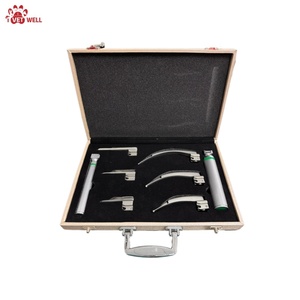
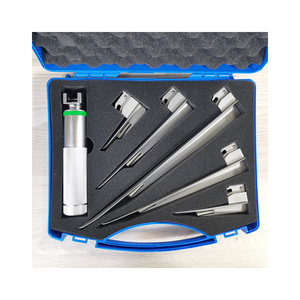
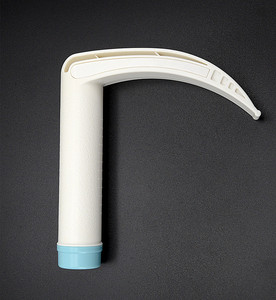
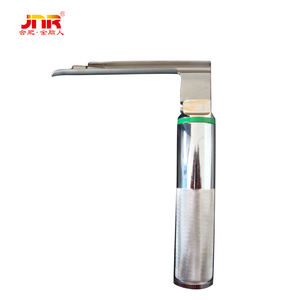
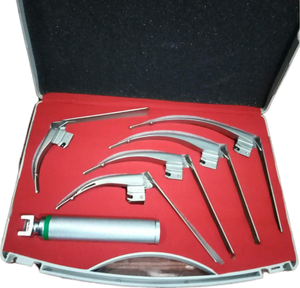
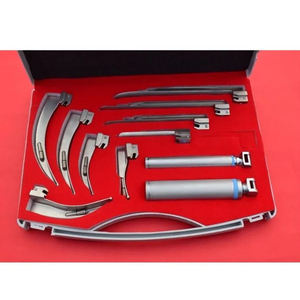
For complex surgical procedures—such as surgical dehorning under general anesthesia, sinus lavage, or bovine respiratory disease (BRD) endotracheal intubation—Korean veterinary clinicians rely on our Veterinary Fiber Optic LED Laryngoscope Sets. Equipped with extended Macintosh and Miller stainless steel blades (Sizes 4 and 5), these illumination systems allow clear visual access to the epiglottis in large ruminants.
Meeting MAFRA Standards, Biosecurity Demands, and ESG-Driven Livestock Farming Practices
The Ministry of Agriculture, Food and Rural Affairs (MAFRA) encourages early disbudding with localized cautery tools to minimize distress. Our smooth-surfaced, rapid-heating thermal tools align perfectly with Korean ethical livestock welfare codes.
To combat viral cross-contamination (e.g., Foot-and-Mouth Disease & Lumpy Skin Disease), Korean farm networks enforce strict tool sterilization between operations. Our tools are built for continuous 134°C steam autoclaving and chemical soaking without dulling or plating peel.
We provide full private label branding (hangul/english laser marking, customized product codes, and custom packaging) from 300 units per pattern, empowering South Korean distributors to strengthen their proprietary brand portfolios.
Sourcing directly from our ISO 13485:2016 and ISO 9001:2015 certified factory in Sialkot, Pakistan offers South Korean importers significant competitive advantages over traditional third-party trading intermediaries:
Access technical dimension sheets, steel grade breakdown charts, and factory-direct volume pricing tailored for South Korean livestock distributors and veterinary buyers.
Get CatalogCommon Technical and Commercial Queries Answered by Our Export Engineering Desk
Our cutting blades and geared cups are forged from high-carbon German AISI 420 martensitic stainless steel, hardened and tempered to 48-52 HRC for optimal edge sharpness and fracture toughness. Non-cutting structural handles and holloware items utilize AISI 304 or 316 austenitic stainless steel for high corrosion resistance during steam autoclaving.
Our tools are engineered for rapid, clean cutting that minimizes soft tissue tearing and reduces trauma, aligning with MAFRA’s livestock welfare recommendations. Furthermore, our 100% passivation process allows seamless sterilization between farms, helping prevent cross-transmission of infectious pathogens like Foot-and-Mouth Disease (FMD).
Custom OEM laser marking (including Korean brand names, logo graphics, and custom catalog numbers) starts at 300 units per pattern. We also offer custom packaging inserts and barcoding tailored for Korean retail distribution.
Yes. We provide sample units for inspection, sterilizing testing, and clinical field trials prior to bulk production commitments. Contact our export desk via the catalog button to arrange sample dispatches.
Standard catalog items leave our warehouse within 7 to 10 working days. Express air freight shipments arrive at Incheon International Airport (ICN) within 4 to 6 transit days. Ocean freight shipments to Busan Port take approximately 20 to 25 days depending on shipping line schedules.
We provide a 3-year factory warranty on material defects and manufacturing workmanship across our German Quality Instrument Sets, alongside a 14-day direct replacement policy for any transit-damaged or specification-mismatched items.
Streamline your supply chain with factory-direct pricing, certified quality, and dedicated support tailored specifically for the South Korean livestock market.
Get Catalog