
Executive Summary: Navigating Uzbekistan’s Healthcare Transformation & Medical Procurement
The Republic of Uzbekistan is undergoing a comprehensive modernization of its national healthcare system under the framework of the Health-2030 Strategy. As Central Asia’s most populous nation, with over 36 million citizens, the Uzbek government—alongside burgeoning private healthcare conglomerates in Tashkent, Samarkand, Fergana, and Namangan—is committing substantial capital to upgrading surgical infrastructure. Among specialized surgical disciplines, Ear, Nose, and Throat (ENT), aesthetic plastic surgery (specifically rhinoplasty and septorhinoplasty), and maxillofacial reconstructive operations are experiencing unprecedented volume growth.
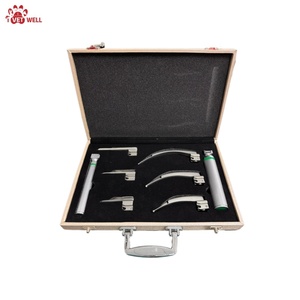
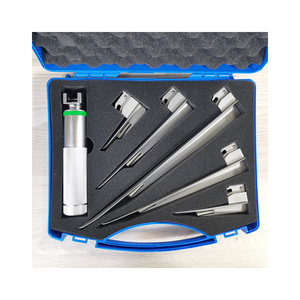
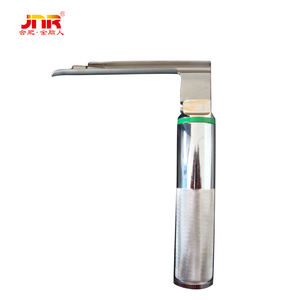
For international medical device distributors, tender managers, and hospital procurement officers operating in Uzbekistan, securing high-precision, reusable surgical instruments such as Nasal Retractors, Laryngoscopes, and specialized mucosal retractors is paramount. This whitepaper provides a thorough analysis of metallurgical standards, anatomical application profiles, regulatory compliance guidelines under the Ministry of Health of the Republic of Uzbekistan (O'zbekiston Respublikasi Sog'liqni Saqlash Vazirligi), and operational logistics for sourcing factory-direct surgical instrumentation from established global exporters.
Metallurgical Architecture & Engineering Standards of Nasal Retractors
Surgical retraction during delicate rhinal operations requires an exacting balance between tip stiffness, glare suppression, tissue preservation, and ergonomic weight distribution. Substandard steel compositions or improper heat treatments lead to instrument flexing, pitting during autoclave sterilization, or micro-fractures along the blade shank—risking intraoperative tissue trauma.
As a premier manufacturer and exporter rooted in Sialkot’s world-renowned surgical forging cluster since 1980, Fizza Surgical International employs strict metallurgical controls adhering to DIN (German) and ASTM (American) standards:
AISI 420 Martensitic Steel
Forged from high-carbon German martensitic stainless steel (AISI 420 / 1.4021), providing extreme tensile strength, high Rockwell hardness (HRC 48-52), and exceptional resistance to mechanical fatigue under continuous blade tension.
Anti-Glare Satin Finish
Advanced electro-chemical passivated satin and matte surface finishes eliminate harsh glare from high-intensity operating room surgical headlights and endoscopic light sources, reducing surgeon eye strain.
Cold-Light Fiber Optics
Integration of medical-grade autoclavable glass fiber optic bundles directly onto Aufricht and Cottle blade shafts, delivering shadow-free illumination into deep nasal cavities during complex septal dissections.
Anatomical Classification & Pattern Specifications
Surgical buyers in Uzbekistan require specialized blade geometries tailored to distinct operative phases of rhinoplasty and nasal reconstruction. Below is a comparative technical overview of standard nasal retractor patterns supplied by leading exporters:
| Retractor Pattern | Primary Clinical Application | Blade Dimensions / Options | Special Features |
|---|---|---|---|
| Aufricht Nasal Retractor | Dorsal retraction & osteotomy inspection during rhinoplasty | Blade length 45mm to 60mm; standard or wide tip | Available with integrated fiber-optic light channel and suction tube |
| Cottle Alar Retractor | Retraction of nasal ala & vestibule exposure | Single/Double prong; 135mm overall length | Atraumatic blunt prongs prevent delicate cartilage tearing |
| Converse Nasal Speculum/Retractor | Endonasal flap elevation & mucosal inspection | Small, Medium, Large blade depths | Self-retaining ergonomic palm grip with knurled handle handle |
| Desmarres Lid & Mucosal Retractor | Septal & soft tissue retraction in delicate pediatric ENT | 8mm to 16mm curved smooth blade width | Polished rolled edge to eliminate mucosal tissue necrosis |
| Neivert Alar Retractor | Lateral cartilage retraction & tip shaping | Double-ended with hook and flat blade | Versatile dual-ended profile reducing instrument changes |
Localized Application Scenarios & Clinical Trends in Uzbekistan
Evaluating search intent and procurement trends across Central Asia reveals three primary demand drivers for nasal retractors and ENT diagnostic instrumentation in the Uzbekistan market:
1. Tashkent Aesthetic & Plastic Surgery Centers
Private cosmetic surgical hospitals in Tashkent (such as those located in the Yakkasaray and Mirabad districts) report high patient volume for primary and secondary rhinoplasty. Surgeons prefer Aufricht fiber-optic light-guide retractors paired with fine tungsten carbide scissors and delicate cartilage rasps for superior tip refinement.
2. State Medical Centers & Regional Hospitals
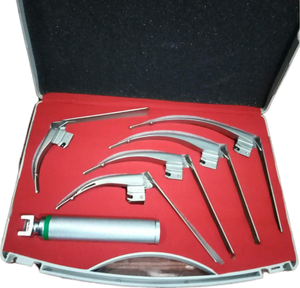
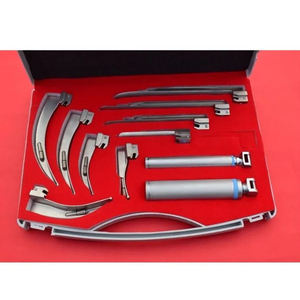
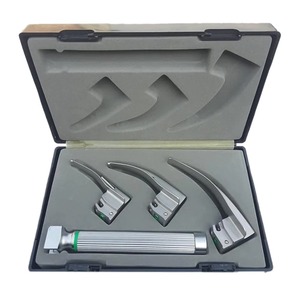
Public institutions such as the Republican Specialized Scientific and Practical Medical Center of Surgery and regional emergency medical care centers in Samarkand, Bukhara, and Namangan require heavy-duty, highly sterilizable stainless steel nasal retractors and Macintosh laryngoscope sets built to withstand 1,000+ autoclave cycles (134°C steam pressure).
3. Pediatric ENT & Airway Management
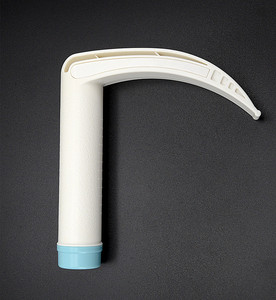
With a young population demographic, Uzbekistan's pediatric ENT departments require specialized mini-blade nasal specula and delicate pediatric laryngoscope sets (Miller size 00, 0, 1) featuring gentle curvature and anti-pinch ratchets for diagnostic airway inspection and foreign body removal.
Regulatory Compliance, State Registration & Customs in Uzbekistan
Exporting medical devices and surgical instruments to Uzbekistan requires strict adherence to national medical regulatory bodies and customs framework. Importers and international exporters must navigate the following regulatory checkpoints:
- State Registration Dossier: Reusable Class I surgical instruments (including nasal retractors and manual laryngoscopes) require a streamlined registration dossier including ISO 13485:2016 certification, EU MDR Declaration of Conformity (CE Mark), material batch analysis sheets, and Instructions for Use (IFU) translated into Russian and Uzbek.
- HS Code Classification & Tariff Tariffs: Surgical retractors and laryngoscopes are classified under HS Code 9018.90 (Instruments and appliances used in medical, surgical, or veterinary sciences). Uzbekistan has implemented zero-rating or reduced VAT policies on essential medical equipment imports to accelerate healthcare modernization.
- Customs Clearance & Documentation: Exporters must provide a complete documentation package: Commercial Invoice, Detailed Packing List with Serial/Lot Numbers, Certificate of Origin (Form A / Chamber of Commerce certified), ISO/CE certificates, and Airway Bill (AWB) or TIR Carnet documentation for road cargo via Central Asian logistics corridors.
Enterprise Advantage: Why Choose Fizza Surgical International
As a verified manufacturer and direct exporter with over four decades of surgical forging excellence, Fizza Surgical International serves as an essential strategic partner for medical equipment importers across Uzbekistan. By eliminating trading intermediaries, we deliver factory-direct pricing backed by uncompromising European-grade quality control:
Four Decades of Forging Legacy
Established in Sialkot, Pakistan in 1980, operating an integrated 25,000+ instrument pattern library encompassing general surgery, ENT, dental, orthopedic, veterinary, and hospital holloware.
Certified QMS & Global Listings
Audited quality management system certified to ISO 13485:2016 and ISO 9001:2015. Reusable instruments are CE marked under EU MDR 2017/745, listed on EUDAMED, and registered with US FDA (Establishment Reg. 3019842214).
OEM & Private Label Programs
Full customization starting at low minimum orders (300 units/pattern). Custom fiber-optic laser marking of distributor logos, custom catalog numbering, color-coded rings, and localized Russian/Uzbek retail packaging.