 Surgical Instrument Manufacturer Surgical Instrument Manufacturer
 Engineered for Precise Periodontal Ligament Luxation, Crestal Bone Preservation & Immediate Implant Placement
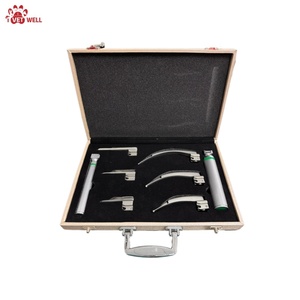
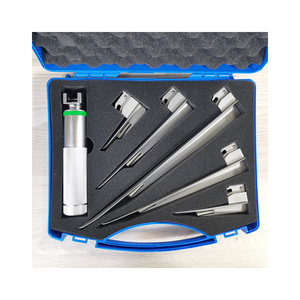
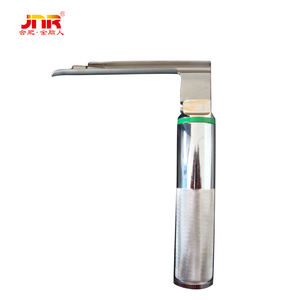
In contemporary clinical dentistry, the shift toward immediate implant placement and alveolar ridge preservation has fundamentally transformed tooth extraction methodologies. Traditional extraction forceps and dental elevators operate primarily through mechanical leverage and expansion of the cortical bone walls. While effective for simple exodontia, this historic approach frequently causes micro-fractures in the delicate buccal bone plate—which is often less than 1.0mm thick in the anterior maxilla. Loss of this thin outer bone wall inevitably leads to soft tissue collapse, compromised esthetic outcomes, and the need for costly secondary bone grafting procedures.
Dental periotomes represent a major technological advancement designed specifically to mitigate this trauma. Unlike conventional elevators that rely on wheel-and-axle or wedge leverage, a periotome is a precision wedging and severing tool equipped with an extremely thin, flexible blade (typically 0.2mm to 0.3mm at the working tip). The clinical objective of a periotome is not to leverage the tooth out of its socket, but rather to insert smoothly into the periodontal ligament (PDL) space, severing the sharpey’s fibers along the root surface. By systematically relieving the anatomical attachment around the entire root circumference, tooth mobility is achieved without applying outward lateral force against the alveolar socket walls.
Periotome Mechanism: Axial insertion → Sharpey's fiber transection → Zero lateral alveolar expansion → Intact socket walls (Ideal for Immediate Implant Placement).
Elevator Mechanism: Fulcrum leverage → Cortical bone dilation → High risk of labial bone fracture → Socket deformity requiring guided bone regeneration (GBR).
For dental clinic procurement teams, hospital surgical suites, and dental supply distributors operating across Melbourne and the wider state of Victoria, sourcing high-grade periotomes requires rigorous evaluation of metallurgical properties, blade elasticity, handle ergonomics, and regulatory alignment with Australia's Therapeutic Goods Administration (TGA) standards.
A Comparative Evaluation of Direct Manufacturers, OEM Forging Specialists, and Key International Suppliers Servicing Victorian Healthcare Procurement
Supplying reusable dental periotomes to the Melbourne market requires strict adherence to Australia’s regulatory infrastructure and regional clinical preferences. The Victorian healthcare ecosystem—spanning world-class public institutions like The Royal Melbourne Dental Hospital to private specialist clinics in South Yarra, Toorak, Carlton, and Brighton—demands uncompromising quality assurance.
In Australia, dental periotomes are classified as Class I reusable medical devices. To be lawfully imported, stocked, or sold in Melbourne, instruments must be listed on the Australian Register of Therapeutic Goods (ARTG). Direct offshore manufacturers such as Fizza Surgical International support Melbourne importers by providing full Technical Construction Files (TCF), ISO 13485:2016 quality system audit reports from notified bodies (e.g., DEKRA), and Declarations of Conformity aligned with EU MDR 2017/745, which seamlessly transition into TGA ARTG filings.
Victorian dental practices are bound by stringent infection control standards governed by AS/NZS 4815 (for office-based dental clinics) and AS/NZS 4187 (for day-surgeries and hospital networks). Periotomes undergo repetitive thermal sterilization via B-Class vacuum autoclaves at 134°C for 3.5 to 18 minutes. Under these thermal stress cycles, inferior grade stainless steel rapidly undergoes carbide precipitation, leading to surface pitting, rust spots, and blade dulling. High-nickel, high-chromium martensitic steel (AISI 420) subjected to passivation treatment per ASTM F1083 is essential to prevent galvanic corrosion in Melbourne’s CSSD processing units.
To eliminate expensive intermediary stockholding costs in Australia, leading Melbourne dental groups are shifting toward factory-direct procurement. With direct air express routes operating daily from international logistics centers to Melbourne Airport (Tullamarine - MEL), direct factory shipments from suppliers like Fizza Surgical clear Australian Customs seamlessly, delivering door-to-door within 10 to 20 working days with complete customs valuation paperwork and certificates of origin.
Engineering Parameters for Reusable Surgical Dental Periotomes
| Specification Parameter | Standard Requirement | Fizza Surgical Manufacturing Standard | Clinical Performance Impact |
|---|---|---|---|
| Raw Material Grade | AISI 420A / AISI 420B Stainless Steel | German-Grade AISI 420 / 440 Martensitic Steel | Ensures high tensile strength and rust immunity during sterilization. |
| Rockwell Hardness (HRC) | HRC 50 – 54 | HRC 54 – 58 (Vacuum Heat Treated) | Prevents blade tip bending or rolling during deep ligament entry. |
| Blade Thickness at Tip | 0.25mm – 0.40mm | 0.18mm – 0.28mm Ultra-Thin Precision Edge | Allows effortless entry into tight 0.2mm PDL space with zero bone fracture. |
| Surface Passivation | ASTM A967 / ISO 16061 | Citric/Nitric Chemical Passivation (ASTM F1083) | Removes free iron from surface, building a durable chromic oxide protective layer. |
| Handle Construction | Solid or Tubular Stainless Steel | Ergonomic Hollow Lightweight (38g - 45g) | Reduces clinician hand fatigue during complex full-mouth extractions. |
| Sterilization Threshold | Autoclavable 134°C (273°F) | 134°C B-Class Steam Autoclave (1,000+ Cycles) | Guarantees zero discoloration, delamination, or structural fatigue. |
High-grade AISI 420 stainless steel billets are heated and drop-forged using precision steel dies to form the basic periotome blank.
Blanks undergo computer-controlled vacuum hardening and tempering to achieve exact HRC 56 edge hardness without surface oxidation.
Master artisans hand-grind the micro-bevel tips under optical magnification to create an ultra-thin 0.2mm severing edge.
Instruments undergo chemical passivation, laser logo marking, 100% dimensional inspection, and autoclave cycle testing.
For Australian dental supply companies, healthcare buying groups, and private surgical brands based in Melbourne, relying on off-the-shelf distributor catalog items severely limits gross profit margins. Partnering directly with an established manufacturer like Fizza Surgical International unlocks substantial strategic and commercial advantages:
• Low 300-Unit MOQ: Launch custom private-label periotome kits without tying up excessive capital in warehouse inventory.
• Fiber Laser Marking: Precise marking of custom brand logos, unique SKU catalog numbers, UDI codes, and lot numbers on instrument handles.
• Custom Blade Geometries: Direct engineering support to manufacture specialized tip angles, serrations, or titanium coatings tailored to clinician feedback.
• Regulatory Support: Access complete technical dossiers, steel analysis certificates, and sterilization validation protocols to streamline local TGA filings.
By controlling the manufacturing pipeline from forging to final packaging, Fizza Surgical eliminates trading middlemen markup, enabling Melbourne distributors to achieve 40% to 60% higher gross margins while offering competitive pricing to Victorian dental practices.
While both instruments are used in exodontia, their tip geometry and mechanical force applications differ significantly. A periotome features an extremely thin, flat blade (0.2mm–0.3mm) designed strictly to slice the periodontal ligament (PDL) fibers vertically within the narrow socket space without wedging or leveraging against the socket wall. A luxating elevator has a slightly thicker, concave wedge-shaped blade designed to wedge between the root and bone, combining cutting with light axial wedging force. Periotomes are preferred when absolute preservation of the buccal bone plate is required for immediate implant placement.
Yes. Fizza Surgical International operates under an ISO 13485:2016 certified Quality Management System audited by DEKRA. All reusable dental surgical instruments carry CE MDR Class I designation and hold US FDA Establishment Registration (3019842214). We supply complete Technical Dossiers, Material Test Reports, and Declarations of Conformity to enable Melbourne importers and distributors to rapidly list products on the Australian Register of Therapeutic Goods (ARTG).
Fizza Surgical uses premium German-grade AISI 420 and AISI 440 martensitic stainless steel for cutting working ends, and AISI 304/316 austenitic steel for handles and cassette trays. Instruments undergo double passivation treatment per ASTM F1083. This chemical process eliminates surface free-iron contaminants and creates a impervious chromium oxide passive layer, preventing pitting, corrosion, and discoloration during repeated 134°C B-Class steam autoclave cycles enforced by Victorian infection control standards (AS/NZS 4815 / 4187).
Standard catalog stock patterns ship within 7 to 10 working days. Custom OEM orders, private label branded sets, or specialized bulk production runs are manufactured and dispatched within 10 to 20 working days. Shipments are sent via express air courier (DHL / FedEx) direct to Melbourne Airport (Tullamarine), complete with commercial invoices, packing lists, and Certificates of Origin for fast customs clearance.
Absolutely. We encourage Melbourne healthcare buyers, hospital procurement officers, and dental distributors to request sample instruments. Sample sets allow your clinical staff and periodontists to test blade flexural strength, tactile balance, and edge sharpness in practical surgical settings prior to placing bulk OEM production contracts.
Elevate your clinic's surgical precision or expand your Australian distribution catalog with direct factory pricing, German steel quality, and low 300-unit OEM branding.